
Instagram Music Copyright: How to Avoid Legal Trouble
TL;DR
Most Instagram music risk comes from workflow mistakes, not bad intentions.
“Available in-app” does not automatically mean “safe for every use case.”
The safest system combines source control, usage context checks, and escalation rules.
Brands need a repeatable approval workflow—not ad-hoc decisions under deadline pressure.
Copyright-safe publishing is an operational discipline, not a legal afterthought.
Instagram music copyright checklist for brands
If you are publishing from a business account, treat Instagram music copyright as a workflow decision before it becomes a legal problem. The safest review asks four questions: where did the sound come from, what rights context does the account have, is the post organic or commercial, and who approved the final use?
Use in-app music carefully: a track visible in Instagram does not automatically mean it is safe for every business, ad, region, or repurposed asset.
Separate organic and commercial use: branded content, paid ads, product demos, and client work usually need stricter review than casual creator posts.
Document the decision: save the source, license note, approval owner, and fallback track so takedown or mute issues can be resolved faster.
Escalate edge cases: if a track is central to a campaign, unclear in rights scope, or reused outside Instagram, get legal or licensing confirmation before publishing.
Quick Definition
Instagram music copyright compliance means ensuring that every audio track in your content is used under the correct rights context for your account type, region, and content purpose. The practical goal is not legal perfection in theory, but a reliable publishing workflow that prevents avoidable takedowns, mutes, restrictions, and account risk.
Why This Topic Is Operationally Critical
Teams often treat copyright as a legal edge case. In practice, it is a daily publishing risk. A single non-compliant audio decision can reduce distribution, trigger content removal, or create repeated trust issues at account level.
Counterargument: “If the track is available in Instagram’s library, we are probably fine.”
Trade-off: in-app availability can reduce friction, but it does not remove context constraints. Usage rights can differ by account type, geography, and commercial intent.
Edge case: a creator account posting casual non-commercial content may have practical flexibility that does not transfer to a branded campaign asset.
Concrete scenario: a small brand repurposes a Reel with trending music into a paid campaign variation. The organic post remains, but ad usage triggers restrictions because licensing context changed.
Common misconception: copyright risk is mostly about intentional theft. More often, risk comes from ambiguous process and rushed approvals.
Takeaway: Music compliance is a workflow problem before it becomes a legal problem.
Takeaway: Context changes can invalidate “safe” assumptions quickly.
The RIGHTS Framework (Practical Decision Model)
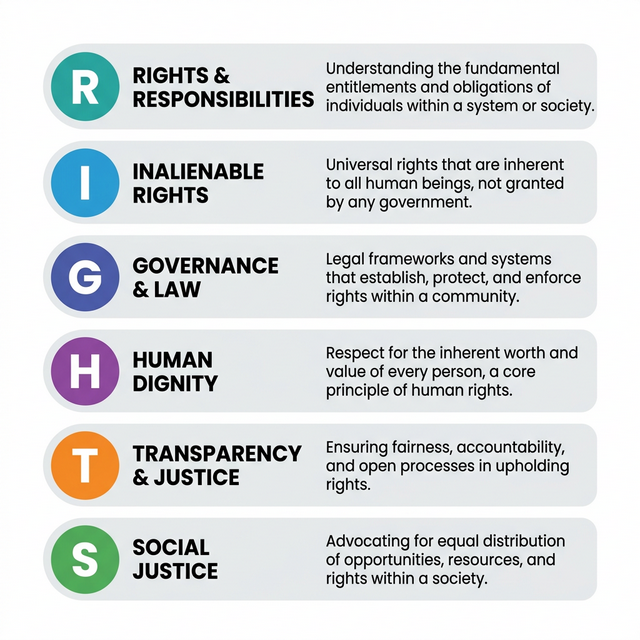
The RIGHTS Framework: six decision principles for navigating Instagram music copyright in practice.
Use this framework before publishing any music-based Instagram asset.
R — Rights Source
Where did the audio come from? Instagram library, licensed stock, commissioned original, or external source?
I — Intended Use
Is content organic, boosted, paid, branded, client-owned, or cross-posted outside Instagram?
G — Geography
Do rights vary by region where the content will be visible or promoted?
H — Holder Constraints
What restrictions exist from rightsholders, labels, publishers, or platforms?
T — Traceability
Can your team prove source, permissions, and usage scope if challenged?
S — Stop Rule
Do you have a clear escalation rule when source/rights are uncertain?
Counterargument: “This is too much process for social speed.”
Trade-off: yes, validation adds steps. But without it, each fast post can create hidden long-tail risk.
Edge case: real-time event coverage may require accelerated approval. In that case, predefined “safe audio pools” can preserve speed while reducing legal uncertainty.
Concrete scenario: team classifies each asset with RIGHTS tags before scheduling. Ambiguous items are paused automatically. Publishing speed remains stable because the stop rule is predefined.
Common misconception: compliance workflows always kill creativity. Good workflows remove avoidable uncertainty so creative teams can move faster with confidence.
Takeaway: RIGHTS turns vague legal fear into concrete publishing decisions.
Takeaway: Fast teams are not teams without rules—they are teams with clear rules.
What Is Usually Safer vs What Is Usually Riskier
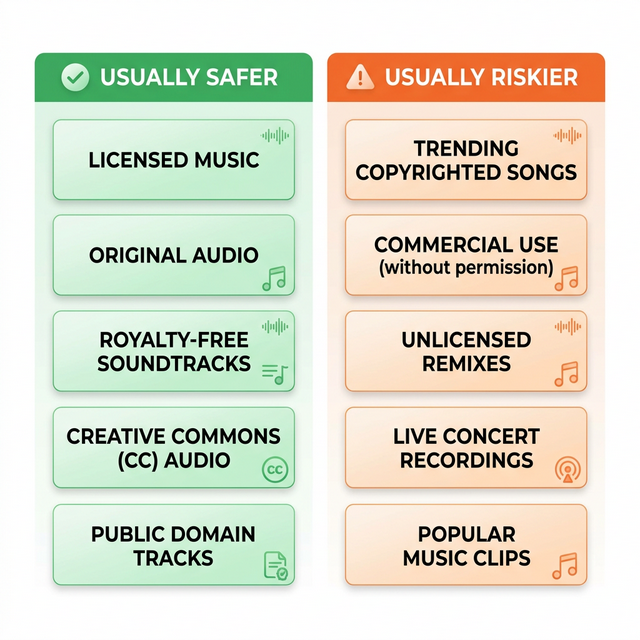
Safer vs riskier audio choices for Instagram: from licensed music and original audio to trending copyrighted songs and unlicensed remixes.
No static list is universal, but operationally the patterns below are reliable.
Usually lower-risk patterns
Using audio from platform-supported sources within intended use scope
Using properly licensed music with documented usage rights
Using original audio you fully control
Keeping clear source logs and approval history
Usually higher-risk patterns
Uploading popular tracks from external sources without clear rights proof
Reusing organic audio choices in paid or client campaigns without revalidation
Using “everyone does it” as legal justification
Publishing before source and usage scope are confirmed
Counterargument: “If enforcement seems inconsistent, risk is acceptable.”
Trade-off: low immediate enforcement does not equal low legal exposure. Delayed claims, content removals, and repeat-account flags can still appear.
Edge case: low-visibility accounts may avoid immediate action, but risk profile changes when reach grows or content gets repurposed into ads.
Concrete scenario: creator audio works on one post. Later, the same asset is included in a brand montage. Rights mismatch appears only after republishing context changed.
Common misconception: low probability means low consequence. In copyright, low frequency events can still create high operational damage.
Takeaway: “Seems fine” is not a compliance standard.
Takeaway: Revalidation is mandatory when usage context changes.
Tool Evaluation Rule (3 Categories × 3 Criteria)
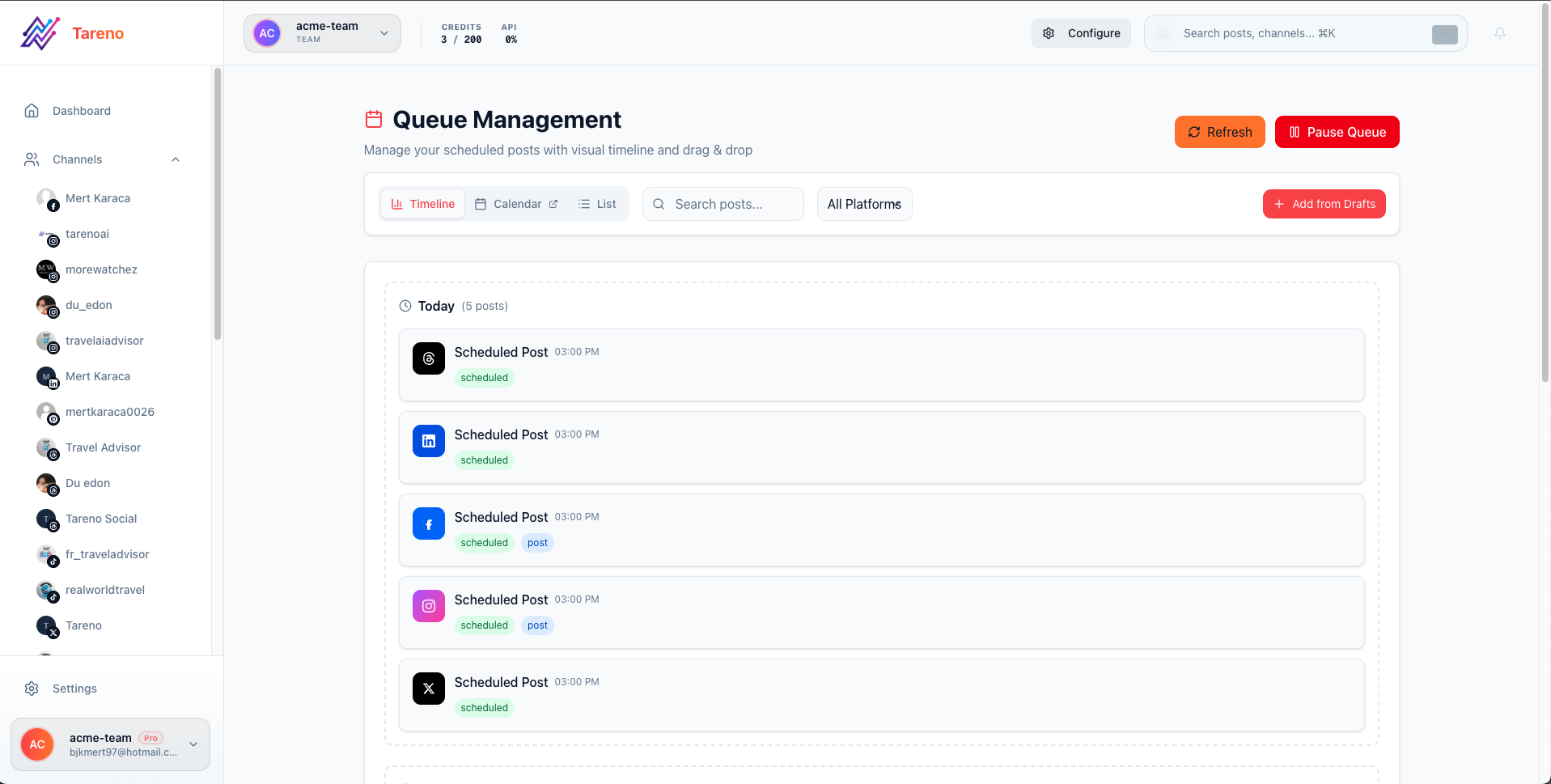
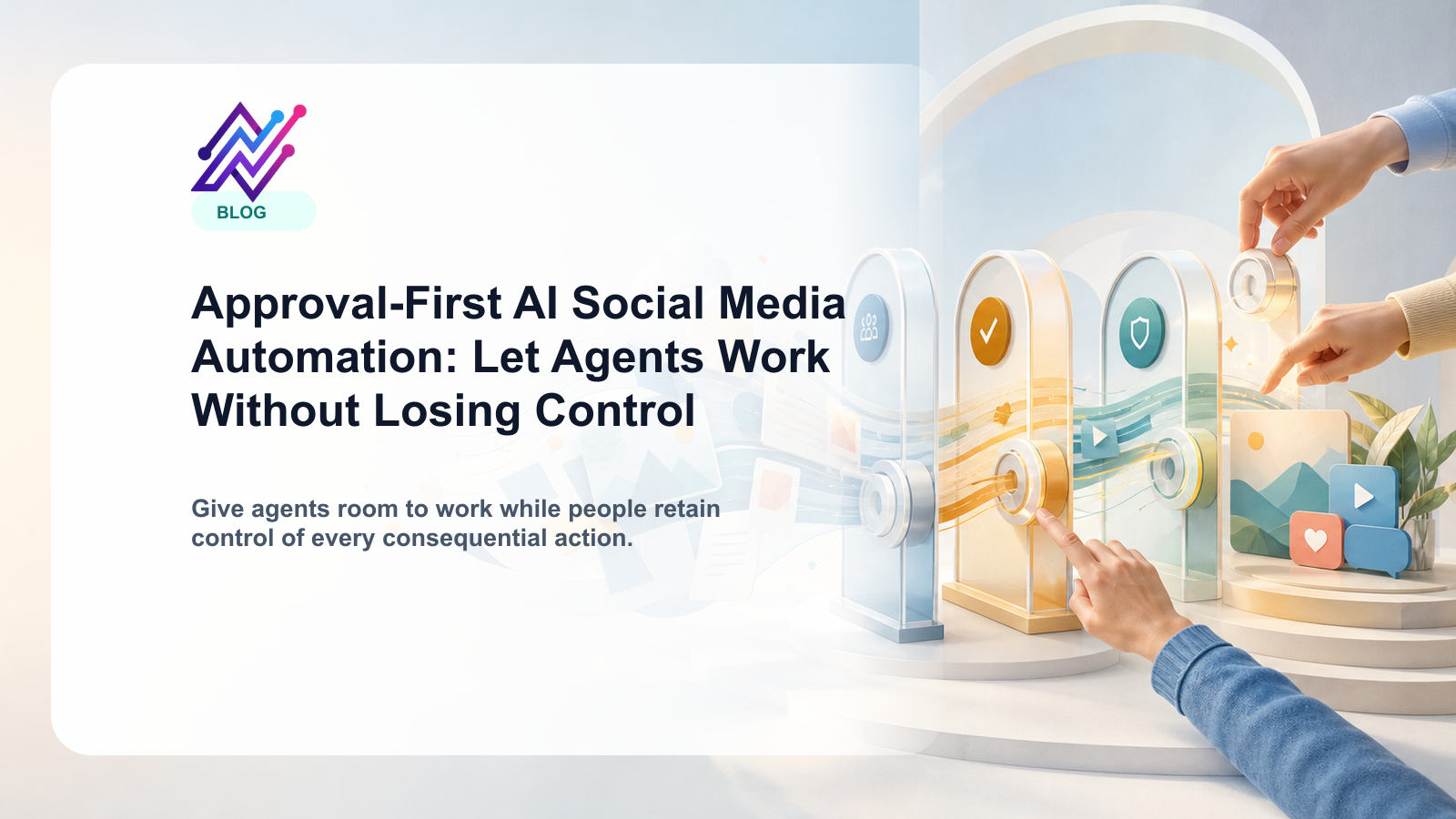
Tareno's Draft → Review → Scheduled workflow: the approval visibility and audit trail needed for compliant Instagram music publishing.
Category 1: Rights Source Management
Evaluate by:
Source documentation clarity
Permission metadata completeness
Retrieval speed during review
Category 2: Workflow Governance
Evaluate by:
Draft -> Review -> Scheduled enforcement
Approval status visibility
Escalation routing for uncertain assets
Category 3: Audit & Incident Readiness
Evaluate by:
Decision log traceability
Region/use-case tagging support
Fast rollback and replacement workflow
Counterargument: “A spreadsheet is enough.”
Trade-off: for small volume, maybe. At scale, manual tracking often fails under deadline pressure.
Edge case: solo creators can remain spreadsheet-based if they enforce strict naming conventions and publish checklists.
Concrete scenario: team with approval traceability resolves a takedown quickly by swapping to pre-approved fallback audio and documenting incident closure.
Common misconception: tooling solves rights ownership. Tooling only supports consistent decisions.
Takeaway: Choose systems that make compliance visible, not assumed.
Takeaway: Audit readiness is a publishing resilience advantage.
Account Type and Use-Case Complexity
Music decisions often break when teams ignore account and intent context.
Typical complexity layers
Creator vs business account behavior patterns
Organic feed use vs paid ad distribution
Regional rights differences
Client-owned assets vs brand-owned assets
Counterargument: “One policy can cover all campaigns.”
Trade-off: unified policy improves consistency, but if too generic it ignores critical context and causes blind spots.
Edge case: global brands running localized accounts need tiered policy rules—global baseline plus region-specific overlays.
Concrete scenario: agency uses one rights template for all clients, then faces repeated exceptions. They switch to tiered policy (global + vertical + region), reducing escalations and delays.
Common misconception: complexity means impossibility. Complexity means segmentation.
Takeaway: One-size-fits-all policy usually underperforms.
Takeaway: Segment rules by account type, use case, and geography.
7-Step Safe Publishing Workflow
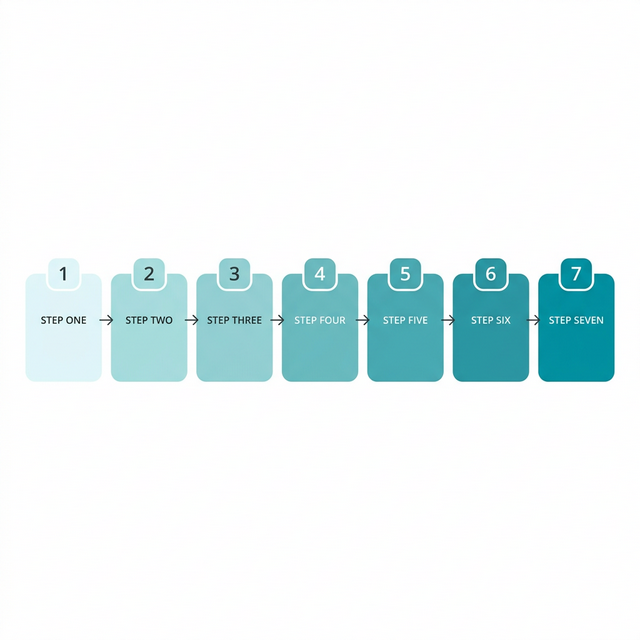
A 7-step safe publishing workflow for Instagram audio: from rights verification to scheduled publishing and audit logging.
1) Source Classification
Tag every audio asset by source type and rights confidence.
2) Use-Case Mapping
Label whether asset is organic, paid, branded collaboration, or cross-platform repurpose.
3) Rights Confidence Score
Use simple tiers: green (clear), yellow (needs review), red (do not publish).
4) Approval Routing
Green can proceed via standard review. Yellow routes to compliance owner. Red blocks scheduling.
5) Fallback Library
Maintain pre-cleared backup tracks for fast replacement.
6) Incident Protocol
If muted/flagged: pause distribution, swap audio, log root cause, update policy.
7) Weekly Compliance Review
Track repeated failure types and improve checklists accordingly.
Counterargument: “Weekly review is overkill.”
Trade-off: without review, teams repeat the same mistakes silently.
Edge case: low-volume creators may run biweekly reviews, but should still keep documented incident patterns.
Concrete scenario: brand sees repeated yellow-tier escalations in paid campaigns. Weekly review reveals unclear ownership. They assign single escalation owner and cut approval latency significantly.
Common misconception: workflow quality is measured by speed alone. Sustainable speed requires controlled risk.
Takeaway: Process clarity reduces both legal risk and production stress.
Takeaway: Incident learning is the fastest compliance upgrade path.
Common Failure Patterns (and Fixes)
Failure 1: Last-minute audio swaps
Problem: rights checks skipped under deadline pressure.
Fix: enforce pre-scheduled lock window + fallback library.
Failure 2: Organic-to-paid reuse without recheck
Problem: assumed rights portability.
Fix: mandatory revalidation when monetization/distribution context changes.
Failure 3: No ownership map
Problem: everyone assumes someone else validated rights.
Fix: explicit approval owner and escalation contact per campaign.
Failure 4: No proof trail
Problem: cannot demonstrate source or permission logic after issue.
Fix: retain lightweight rights log linked to each published asset.
Failure 5: Compliance as “legal-only” task
Problem: marketing decisions bypass governance.
Fix: embed rights checks into publishing workflow, not separate legal queue.
Counterargument: “Most of these issues are rare.”
Trade-off: even infrequent incidents can disrupt campaigns, partnerships, and trust.
Edge case: low-risk content categories may see fewer incidents, but governance still matters during growth phases.
Concrete scenario: team introduces mandatory approval status check before scheduling and eliminates accidental unreviewed music uploads.
Common misconception: compliance reduces campaign performance. In reality, predictable operations support performance consistency.
Takeaway: Preventable errors come from process gaps, not legal complexity alone.
Takeaway: Embed compliance into the same system that drives publishing.
When to Use / When Not to Use Trending Audio
Use trending audio when:
source and scope are clear for your intended usage
campaign objective benefits from trend context
replacement options are prepared in advance
Avoid trending audio when:
rights provenance is unclear
content will be repurposed into broader commercial formats
team cannot respond quickly to takedown incidents
Decision boundary: if you cannot explain rights confidence in one sentence, do not ship.
Counterargument: “Skipping trends hurts reach.”
Trade-off: trend participation can improve discovery, but uncertain rights can create bigger downside than upside.
Edge case: brands with rapid compliance operations can use trends safely more often than teams with weak governance.
Concrete scenario: team uses only pre-cleared trend-safe pool for time-sensitive campaigns; retains reach relevance while reducing incident risk.
Common misconception: no trend audio means no growth. Messaging quality and consistency still drive long-term outcomes.
Takeaway: Trend usage should be policy-aware, not policy-blind.
Takeaway: Rights confidence is a strategic quality filter.
Governance Model for Teams and Agencies
Minimum governance stack
rights checklist at draft stage
approval status gate before scheduling
escalation owner
incident response runbook
weekly policy review loop
Counterargument: “Agencies cannot standardize across clients.”
Trade-off: full standardization is unrealistic, but governance templates can be standardized while rights assumptions remain client-specific.
Edge case: global agency operations may require regional policy annexes, not one universal playbook.
Concrete scenario: agency introduces shared template with client-specific addendum fields. Incident rate drops while onboarding speed improves.
Common misconception: governance is anti-creative bureaucracy. Strong governance protects creative continuity during scale.
Takeaway: Standardize process structure, customize rights assumptions.
Takeaway: Governance maturity is a competitive operations advantage.
FAQ
Is music from Instagram’s library always safe?
Not universally. Safety depends on account context, region, and intended usage.
Can I reuse a Reel audio choice in paid ads?
Not automatically. Revalidate rights for paid/distribution context changes.
Do small creators need a rights workflow?
Yes, but lightweight. Even simple checklists and logs reduce avoidable risk.
What should teams do if content is muted or removed?
Pause distribution, replace with approved audio, log the incident, and update policy.
Is original audio always the safest option?
Often safer, but still requires ownership clarity if collaborations or external samples are involved.
How often should compliance process be reviewed?
Weekly is ideal for active teams; lower-volume teams can run biweekly with strict incident logging.
Conclusion
Instagram music copyright risk is manageable when teams stop treating it as random legal uncertainty and start treating it as a publishing operations discipline. The brands that perform best long term are not the ones that ignore constraints—they are the ones that build repeatable systems for making compliant creative decisions quickly.
Compliance does not have to slow growth. Done well, it stabilizes growth by reducing avoidable disruption.
Key Takeaways
Rights context is dynamic; revalidation is essential when usage changes.
Workflow governance prevents most avoidable music incidents.
Approval visibility and traceability are core risk controls.
Trend participation should follow rights confidence, not urgency.
Operational compliance is part of content quality at scale.