AI social media management is no longer just about asking a tool to write captions.
That was the first wave.
The next wave is workflow.
AI can help creators and teams generate ideas, rewrite captions, summarize performance, repurpose content, suggest hashtags, and speed up repetitive social media work.
But AI should not control everything.
The best social media teams in 2026 will not be the teams that automate the most.
They will be the teams that know what to automate and what to keep human.
That distinction matters.
AI can make a weak workflow faster, but it cannot automatically make it better.
If your approval process is messy, AI can create more drafts that still get stuck.
If your repurposing process is unclear, AI can create more variations that nobody reviews.
If your brand voice is undefined, AI can generate posts that sound polished but generic.
If your reporting workflow does not create actions, AI summaries will only summarize the same problem.
AI is powerful when it sits inside a real social media workflow.
This guide explains what to automate, what to keep human, and how to build a safer AI social media management system around planning, approvals, repurposing, analytics, team roles, Make, n8n, and API-connected operations.
TL;DR
AI can help with:
caption drafts
hashtag ideas
content ideas
platform-specific rewrites
repurposing suggestions
hook variations
reporting summaries
competitor content patterns
workflow handoffs
Make and n8n automations
Humans should still own:
strategy
brand voice
taste
final approval
sensitive topics
legal claims
pricing claims
competitor comparisons
creative direction
customer context
crisis response
The rule:
Use AI to reduce repetitive work, not to remove judgment.
The strongest AI social media management workflow is human-in-the-loop: AI drafts and suggests, humans review and approve, automation moves the work forward.
What is AI social media management?
AI social media management is the use of artificial intelligence to support social media planning, publishing, engagement, analysis, and workflow operations.
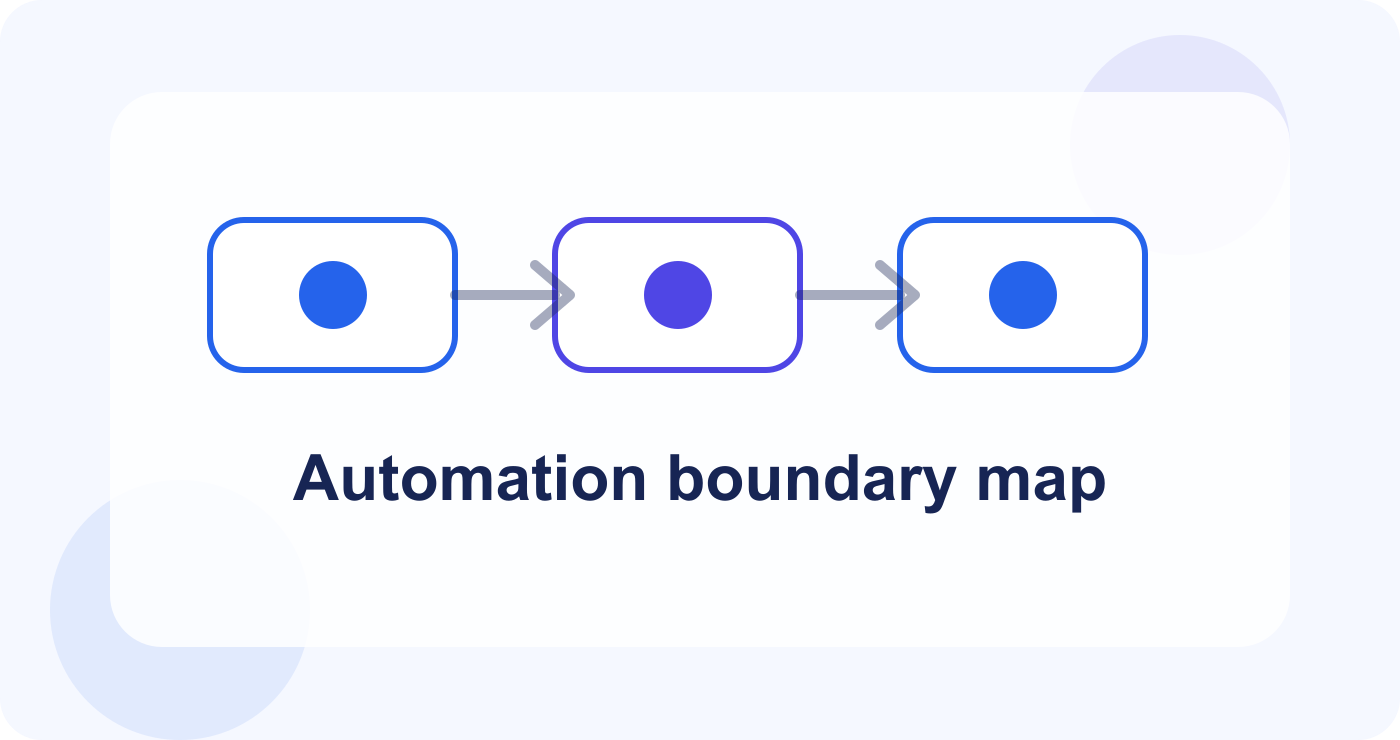
Visual map showing which workflow steps can be automated safely.
It can include:
AI caption generation
AI hashtag generation
AI content ideas
AI hook suggestions
AI post rewrites
AI content repurposing
AI reporting summaries
AI competitor pattern detection
AI-assisted scheduling suggestions
AI comment reply drafts
AI workflow recommendations
AI-powered content briefs
But AI social media management should not mean:
publish everything AI writes
replace review
ignore platform context
copy the same AI caption everywhere
create generic content at scale
skip fact-checking
automate sensitive responses
publish competitor claims without verification
The best use of AI is not replacing the social media manager.
It is giving the social media manager more leverage.
Why AI alone is not a social media strategy
AI can generate output quickly.
Framework for deciding what needs human review before publishing.
But output is not strategy.
A strategy answers:
who are we trying to reach?
what do they care about?
what do we want them to do?
which platforms matter?
what content formats fit?
what should we repeat?
what should we stop?
what should we test?
what should be reviewed before publishing?
how do we turn performance into the next action?
AI can help with parts of this.
But it should not blindly decide everything.
The risk is that teams confuse volume with progress.
More captions are not automatically better content.
More posts are not automatically better distribution.
More automation is not automatically better workflow.
A good AI social media system starts with strategy, then uses AI to accelerate the repeatable parts.
The HUMAN framework for AI social media workflows
Use the HUMAN framework to decide what to automate and what to keep human.
H — Human strategy
U — Useful automation
M — Mandatory review
A — Adaptation by platform
N — Next-action analytics
This keeps AI useful without letting it become risky.
H — Human strategy
Strategy should stay human-led.
AI can help brainstorm, but humans need to decide the direction.
Human strategy includes:
positioning
brand voice
audience choice
offer clarity
campaign goals
content pillars
risk tolerance
product claims
competitor positioning
pricing claims
customer empathy
creator taste
AI can suggest ideas.
But your team should decide which ideas fit the brand.
For example, AI might suggest:
Post more memes about social media burnout.
That could be useful for one brand and completely wrong for another.
The human question is:
Does this fit our positioning, audience, and trust level?
If not, do not publish it.
U — Useful automation
AI is strongest when it supports repeatable work.
Good tasks to automate or AI-assist include:
Caption drafts
AI can create first drafts for Instagram, TikTok, LinkedIn, Threads, or Pinterest.
The human should edit for tone, accuracy, and specificity.
Hashtag ideas
AI can suggest hashtags by topic, platform, and audience.
The human should remove irrelevant or spammy tags.
Hook variations
AI can generate 10 hooks from one idea.
The human should choose the strongest hook and adapt it to platform context.
Platform rewrites
AI can rewrite one idea for TikTok, Instagram, Threads, LinkedIn, Pinterest, and YouTube Shorts.
The human should ensure each version feels native.
Repurposing suggestions
AI can suggest how one post could become a carousel, short video, thread, pin, or blog section.
The workflow should then route those versions into review.
Reporting summaries
AI can summarize performance patterns.
The team should turn those summaries into decisions and tasks.
Competitor pattern extraction
AI can help identify repeated content patterns from competitor posts.
The human should avoid copying and instead build a differentiated response.
Workflow handoffs
AI and automation can help move content between stages, notify reviewers, or prepare next actions.
The human should still control approvals.
Useful automation removes operational drag.
It does not remove ownership.
M — Mandatory review
Human review is the safety layer.
Every AI workflow should include approval gates for content that could affect trust.
Mandatory review should apply to:
pricing claims
competitor comparisons
product feature claims
legal claims
medical or financial topics
public statements
customer support replies
crisis communication
sponsored content
partnership content
brand-sensitive content
repurposed old content
anything AI-generated that will be published publicly
Review should check:
accuracy
tone
brand voice
platform fit
claim verification
source freshness
CTA
visual asset
link
timing
potential risk
This is especially important when AI is used at scale.
The more AI drafts you create, the more important review becomes.
A — Adaptation by platform
AI often creates generic content unless you guide it.
That is why platform adaptation matters.
The same idea should not sound identical everywhere.
Example idea:
AI should draft social posts, but humans should approve them.
TikTok version
Hook:
Don’t let AI post for you without review.
Tone:
direct
fast
simple
practical
Instagram version
Hook:
AI can help you post faster, but don’t skip this step.
Tone:
clear
visual
save-worthy
Threads version
Hook:
AI drafts are fine. AI autopublishing without review is where things get risky.
Tone:
conversational
opinionated
human
LinkedIn version
Hook:
The best social media teams will not automate judgment. They will automate handoffs.
Tone:
strategic
professional
workflow-focused
Pinterest version
Title:
AI Social Media Workflow Checklist
Tone:
search-friendly
practical
evergreen
The idea is the same.
The execution changes.
That is what makes AI useful rather than generic.
N — Next-action analytics
AI reporting summaries are helpful, but they are not enough.
A summary might say:
Your short-form videos performed best this month.
That is not yet an action.
A useful workflow turns that into:
create 5 more short-form videos using the same hook format
repurpose the best video into a carousel
turn the highest-save post into a Pinterest pin
test the same idea on LinkedIn
add the post to the repurposing queue
assign owner
set deadline
require approval before scheduling
AI should help convert analytics into next actions.
That is where AI becomes operational.
A report is passive.
A workflow is active.
What to automate in AI social media management
Here is a practical automation map.
Automate idea expansion
AI can turn one idea into multiple angles.
Example:
Source idea:
Social media approval workflows prevent mistakes.
AI can suggest:
approval checklist
creator approval workflow
agency approval workflow
client approval mistakes
approval automation with Make
repurposing review process
social media approval FAQ
Automate caption variations
AI can create variations for:
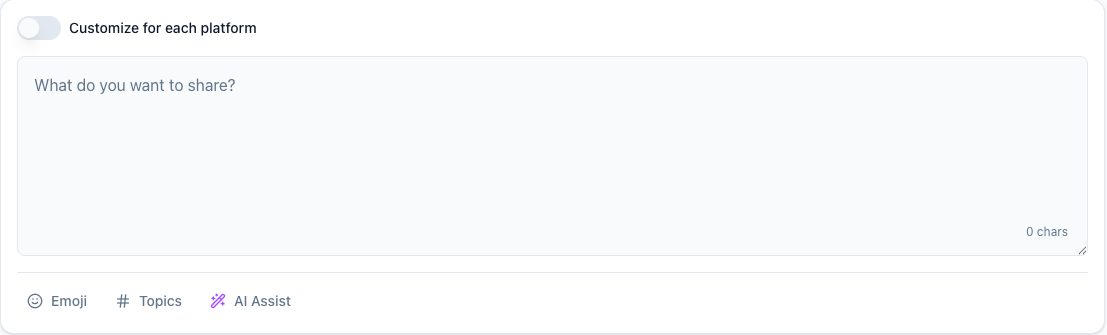
AI caption drafts are useful when teams still apply human review before publishing.
short caption
long caption
professional caption
casual caption
search-friendly caption
platform-specific caption
CTA-focused caption
Automate hashtag support
AI can suggest:
broad hashtags
niche hashtags
branded hashtags
platform-specific hashtags
topic hashtags
But hashtags should be reviewed.
Do not use irrelevant tags just because AI suggested them.
Automate repurposing briefs
AI can suggest:
turn this post into a carousel
turn this video into a thread
turn this report into a LinkedIn post
turn this blog section into a Pinterest pin
turn this customer question into a short video
Automate workflow movement
Automation can move content between stages when conditions are met.
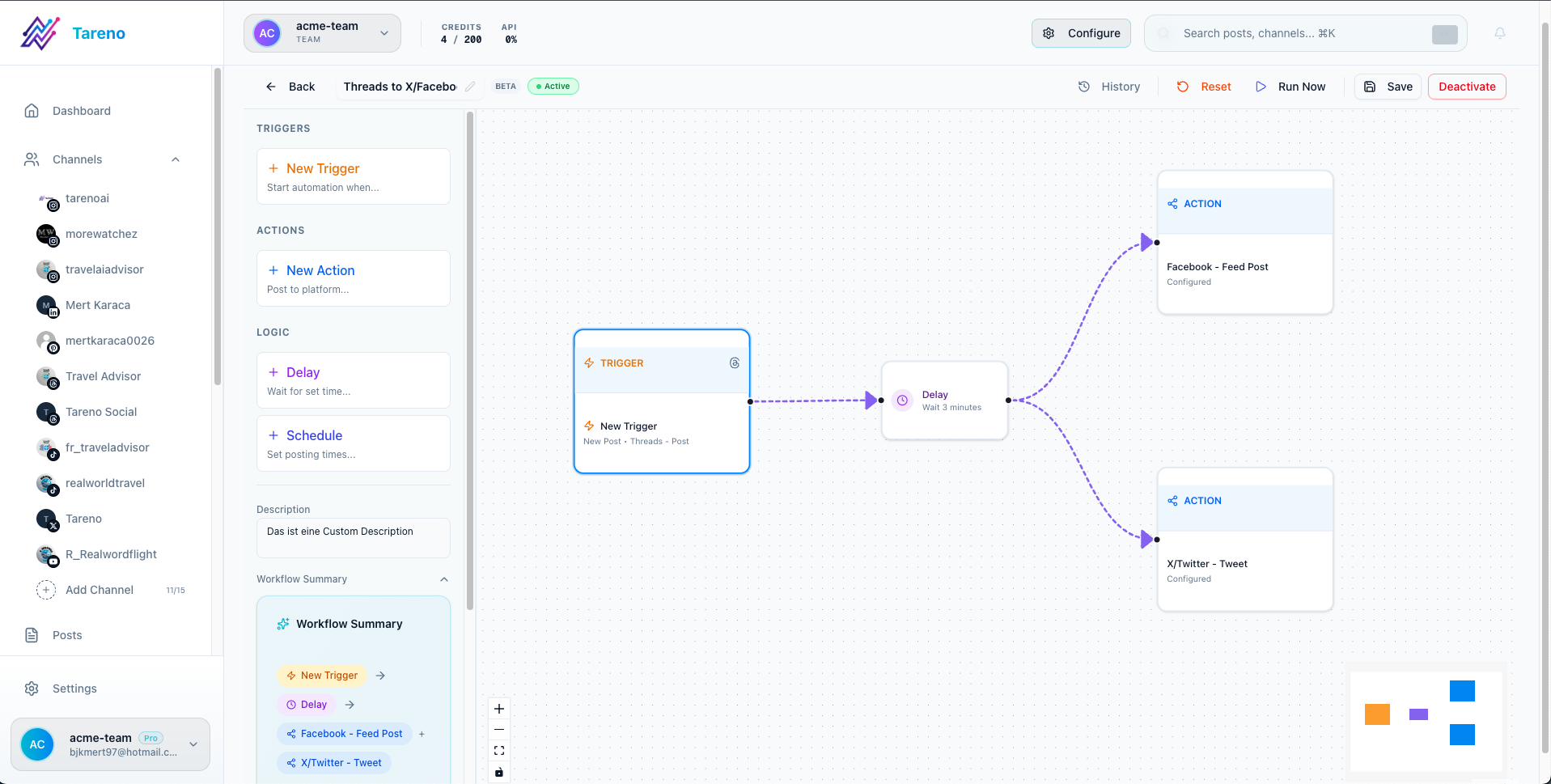
Workflow automation is most valuable when handoffs between drafting, review, and scheduling are explicit.
Examples:
Draft → Review when caption is complete
Review → Approved when reviewer approves
Approved → Scheduled when publish date is selected
Published → Measure after 7 days
High performer → Repurposing Queue
Automate notifications
Notify:
reviewer when content is ready
owner when changes are requested
publisher when content is approved
strategist when content performs well
designer when a carousel asset is needed
Automate reporting summaries
AI can summarize:
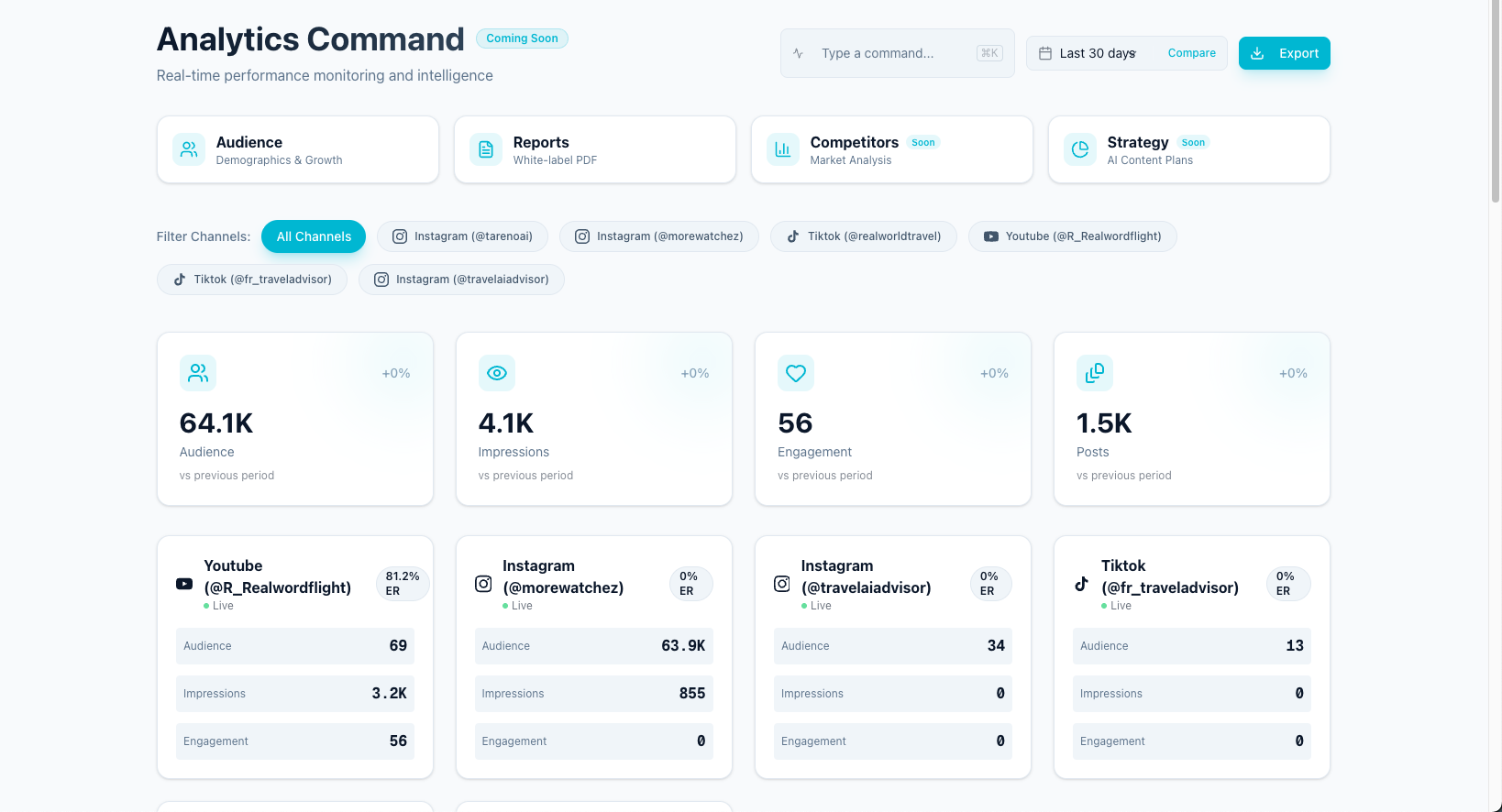
Analytics summaries matter only when they create clear next actions for the content system.
top posts
weak posts
platform movement
common comment themes
competitor patterns
repurposing opportunities
But the team should approve the recommended actions.
What to keep human
Some decisions should remain human-led.
Brand voice
AI can imitate tone, but humans define taste.
A post can be grammatically correct and still wrong for the brand.
Creative direction
AI can generate options, but humans decide what feels original, useful, and differentiated.
Final approval
Final approval should remain human, especially for public brand accounts.
Sensitive topics
Any topic involving legal, health, finance, crisis, politics, or personal harm needs human care.
Competitor claims
AI can summarize competitors, but humans should verify claims before publishing.
Pricing claims
Pricing changes often. Humans should verify screenshots, region, currency, monthly vs annual billing, and last reviewed date.
Product claims
AI may overstate what a product does.
Humans should check the current feature reality.
Customer replies
AI can draft replies, but sensitive customer support responses should be reviewed.
Strategy
AI can help brainstorm, but it should not decide positioning.
AI social media workflow for creators
Creators can use AI without losing their voice.
Example workflow:
Creator records a rough idea.
AI turns the idea into 5 hooks.
Creator chooses one.
AI drafts captions for TikTok, Instagram, Threads, and LinkedIn.
Creator edits for voice.
Assistant schedules.
Performance is reviewed.
Best post enters repurposing queue.
AI suggests new formats.
Creator approves final versions.
This workflow saves time while keeping the creator’s voice intact.
AI social media workflow for teams
Teams need more structure.
Example workflow:
Social manager adds campaign idea to board.
AI creates draft captions.
Team selects platform versions.
Product owner checks claims.
Brand lead reviews voice.
Marketing lead approves.
Workflow automation schedules content.
Analytics are reviewed after publishing.
AI summarizes performance.
Team turns insights into actions.
This keeps AI inside the workflow rather than outside it.
AI social media workflow for agencies
Agencies can use AI to improve output, but approval matters.
Example workflow:
Strategist creates campaign brief.
AI generates content angles.
Copywriter edits drafts.
Designer creates assets.
Account manager reviews internally.
Client approves.
Posts are scheduled.
AI summarizes monthly performance.
Winning posts enter repurposing queue.
Agency creates next-month action plan.
This is safer than sending raw AI content to clients.
It also improves agency efficiency.
AI and repurposing
AI is especially useful for repurposing.
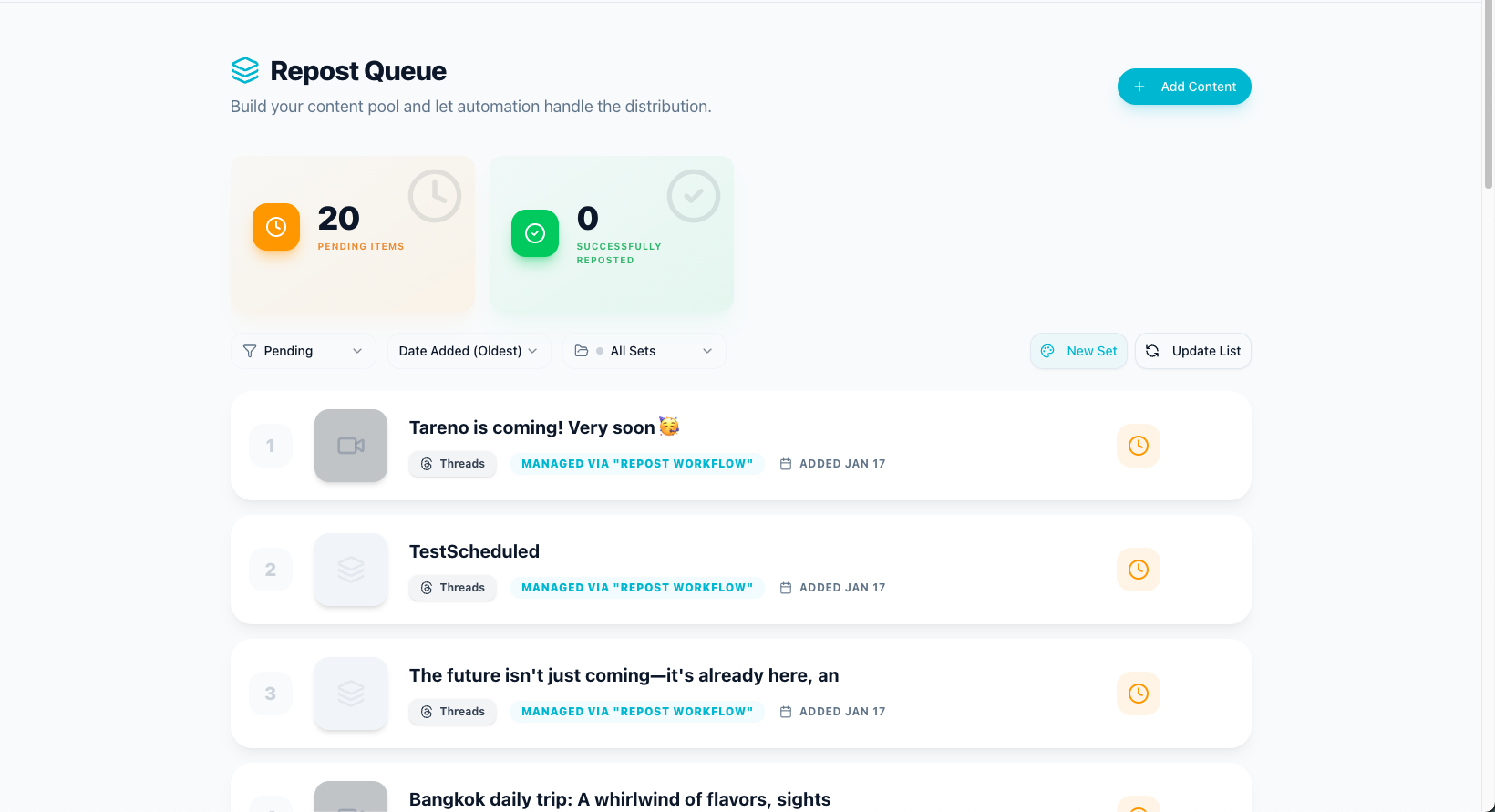
A repurposing queue turns one approved idea into platform-specific follow-up assets.
It can help turn one source post into:
TikTok script
Instagram Reel caption
Instagram carousel outline
Threads post
LinkedIn post
Pinterest pin title
YouTube Short description
newsletter paragraph
blog section
follow-up post
But the repurposing workflow still needs review.
Why?
Because platform context matters.
Old content may be outdated.
Claims may need verification.
The tone may not fit the new platform.
A repurposing queue should include approval gates before reused content goes live.
AI and approvals
AI makes approval workflows more important, not less.
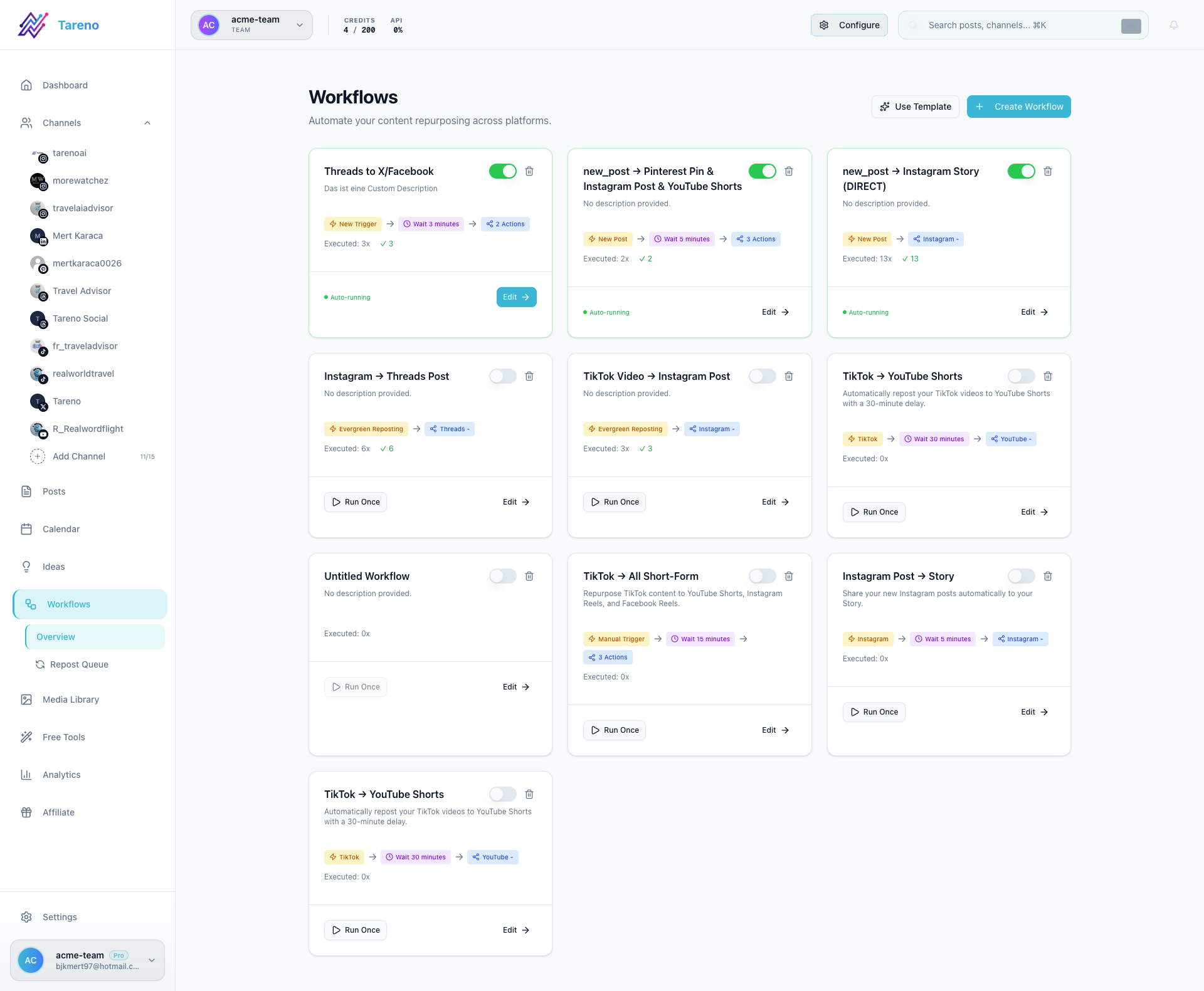
Approval gates keep AI-assisted content aligned with brand and compliance requirements.
When AI creates more drafts, teams need stronger review systems.
A good AI approval workflow includes:
AI-generated draft
human editor
claim verification
platform adaptation
brand review
approval status
activity history
final publish gate
The key rule:
AI can create drafts. Humans approve publishing.
This protects trust.
AI and competitor analysis
AI can help analyze competitor content.
It can identify:
repeated topics
high-performing hooks
common formats
gaps in competitor content
unanswered questions
comparison angles
content opportunities
But AI should not be used to copy competitors.
The better workflow:
analyze competitor pattern
identify search or audience intent
find missing depth
create a better, more specific version
add unique product context
route through review
publish
measure response
Competitor analysis should lead to differentiated content, not imitation.
AI and Make/n8n workflows
AI becomes more powerful when connected to automation tools.
Example Make workflow:
trigger: new approved idea
action: create AI caption variants
action: send draft to review stage
action: notify reviewer
action: wait for approval
action: schedule or prepare publishing
Example n8n workflow:
trigger: post performance exceeds benchmark
action: AI summarizes why it may have worked
action: create repurposing task
action: assign owner
action: wait for human approval
action: create platform-specific drafts
This is where AI becomes part of a system.
The automation handles movement.
The human handles judgment.
Common AI social media mistakes
Mistake 1: Publishing raw AI captions
AI drafts need editing.
Raw AI captions often sound generic.
Mistake 2: Using the same AI post everywhere
Platform adaptation matters.
Mistake 3: Automating without approval gates
AI can create mistakes at scale.
Approval gates protect the brand.
Mistake 4: Overusing generic hooks
Hooks like “Unlock the secret” or “You won’t believe this” can feel fake if overused.
Mistake 5: Ignoring brand voice
AI may create technically correct posts that do not sound like you.
Mistake 6: Skipping claim verification
AI can invent, exaggerate, or use outdated information.
Mistake 7: Measuring output instead of outcomes
More posts do not matter if they do not create engagement, clicks, leads, or learning.
AI social media management checklist
Use this before publishing AI-assisted content.
Strategy
Does this fit the audience?
Does this fit the brand voice?
Does this support a campaign or goal?
Accuracy
Are product claims correct?
Are pricing claims verified?
Are competitor claims verified?
Is the information current?
Platform fit
Is the caption adapted to the platform?
Is the format native?
Is the hook appropriate?
Is the CTA clear?
Approval
Has a human reviewed the content?
Is the final version approved?
Is the approval attached to the correct version?
Repurposing
Is this a new post or repurposed content?
Does the old content need freshness review?
Should it enter the repurposing queue?
Automation
What happens after approval?
Should Make or n8n trigger anything?
Should analytics create a future action?
How Tareno fits into AI social media management
Tareno is useful when AI needs to live inside a workflow.
Relevant Tareno components include:
AI captions
AI hashtags
workflow builder
repurposing queue
content boards
approval workflows
team workspaces
roles and permissions
activity visibility
competitor analysis
unified analytics
API access
Make integration
n8n integration
This matters because AI should not be disconnected from operations.
A strong AI social media system needs:
AI support for drafting
boards for status
approvals for quality
repurposing for reuse
analytics for learning
automation for handoffs
roles for accountability
integrations for scale
That is the difference between an AI writing tool and an AI-assisted workflow system.
Tool comparison context
Different tools support different AI/social workflows.
NeedTool type that often fitsSimple AI schedulingBuffer-style schedulerVisual AI planningLater-style plannerAI analytics summariesMetricool-style analytics toolAI-assisted approvalsPlanable-style review toolBroad AI social suiteHootsuite-style platformAI workflow automation and repurposingTareno-style workflow system
If your main need is caption drafting, many tools can help.
If your main need is AI-assisted workflow automation, you need a system that connects drafts, approvals, publishing, repurposing, analytics, and integrations.
Practical internal resources
To operationalize this model, start with Tareno features and map review handoffs in workflow templates.
For tool-fit decisions, use the comparison hub and benchmark focused options like the Buffer alternative page and Planable alternative page.
For early ideation support, keep caption generation and hashtag generation as assist layers before human approval.
FAQ
What is AI social media management?
AI social media management uses AI to support social media tasks such as captions, hashtags, content ideas, repurposing, reporting summaries, competitor analysis, and workflow automation.
Should AI publish social media posts automatically?
Usually no. AI can draft content and suggest actions, but public posts should pass through human review, especially for brand, pricing, competitor, legal, or sensitive content.
What social media tasks should AI automate?
AI can help automate caption drafts, hashtag suggestions, hook ideas, platform rewrites, reporting summaries, repurposing suggestions, and workflow handoffs.
What should stay human in social media management?
Strategy, brand voice, final approval, sensitive topics, pricing claims, competitor comparisons, product claims, creative direction, and customer context should stay human-controlled.
How can AI help with content repurposing?
AI can turn one source post into multiple platform-specific drafts, such as TikTok scripts, Instagram captions, Threads posts, LinkedIn posts, Pinterest titles, and YouTube Shorts descriptions.
How can teams avoid generic AI content?
Teams can avoid generic AI content by using brand voice guidelines, platform-specific prompts, human editing, approval workflows, and performance feedback loops.
What is the best AI social media management tool?
The best tool depends on the workflow. Tareno is a strong fit when AI needs to connect with workflow automation, approvals, repurposing queues, boards, roles, activity visibility, Make, n8n, and API workflows.
Final thoughts
AI social media management is powerful, but only when it is used inside a clear workflow.
AI can help teams move faster.
But speed without review creates risk.
The best approach is not full automation.
The best approach is human-in-the-loop automation:
AI drafts
humans review
workflows move content forward
approvals protect quality
analytics create next actions
repurposing compounds good ideas
automation reduces handoffs
That is how AI becomes useful without making the brand generic.
In 2026, the strongest social media teams will not ask:
How much can we automate?
They will ask:
Which parts should be automated, and where do humans still create the most value?
Primary CTA: Explore Tareno features to see how AI captions, AI hashtags, workflow builder, repurposing queues, boards, approvals, Make, n8n, API, analytics, roles, and activity visibility can work together.
Secondary CTA: Compare Tareno with Buffer, Hootsuite, Later, Metricool, and Planable on the compare hub.