Creator agencies manage more than a publishing calendar. They coordinate creators, clients, sponsors, editors, usage rights, platform versions, deadlines, reporting, and the next wave of reusable content.
A scheduler can place a post on a date. An agency operating system must also preserve the approved version, show who owns the next action, and turn performance into a repeatable content decision.
This guide compares the best social media management tools for creator agencies in 2026 by the work that actually creates friction: intake, review, creator voice, multi-platform delivery, reporting, and reuse.
Quick answer: match the tool to the bottleneck
Tareno is the best workflow-first option when approvals, scheduling, analytics, and repurposing must stay connected. Planable is a focused choice for review collaboration. Sendible fits agencies that prioritize client dashboards. SocialPilot emphasizes scheduling scale, Later visual planning, Buffer simplicity, and Metricool reporting.
Before buying, run one real sponsored post through the full path. Include a late revision, a disclosure change, a second platform version, and a reporting handoff. Feature lists look similar; operational behavior does not.
What creator agencies need from social media tools
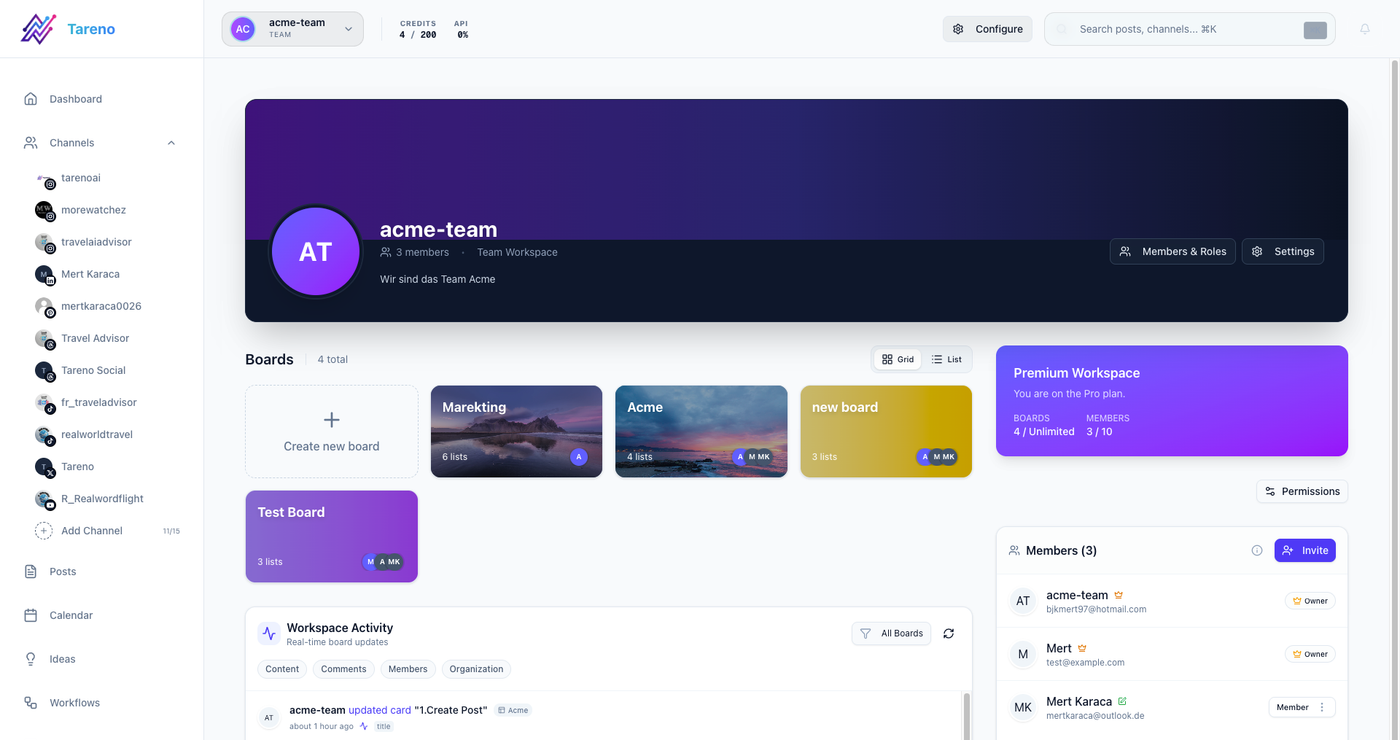
The core requirement is controlled flexibility. Creators need room to sound like themselves, while the agency needs reliable briefs, owners, review gates, campaign dates, and a visible history of decisions. A strong agency social media workspace separates clients and campaigns without hiding shared standards.
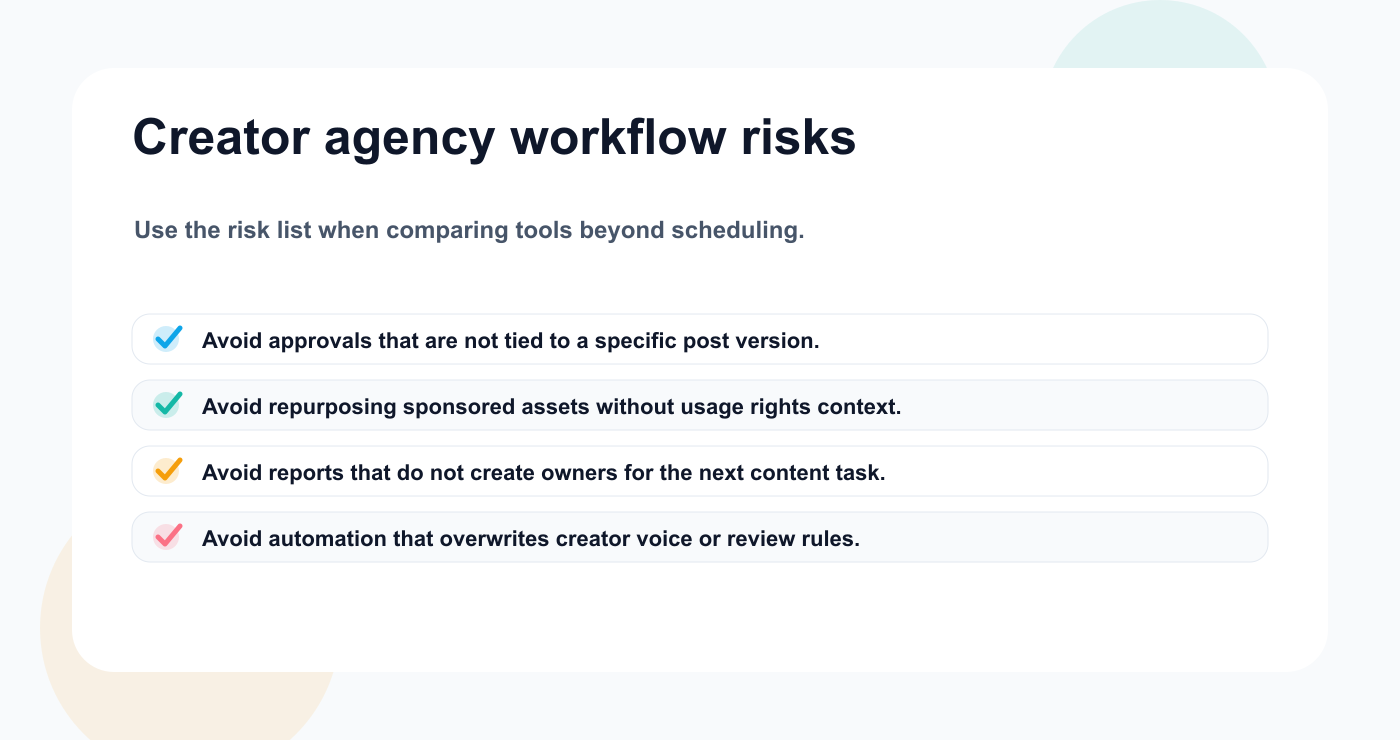
Approval should attach to a specific caption, crop, disclosure, and destination—not to a vague idea of the post. The same record should show whether the client, creator, legal reviewer, or sponsor still owes feedback.
The platform also needs version awareness. One creator video may become a TikTok, Reel, Short, LinkedIn post, Pinterest Pin, and paid-ad concept. Each version can have different copy, dimensions, rights, and review requirements.
A practical creator agency operating model
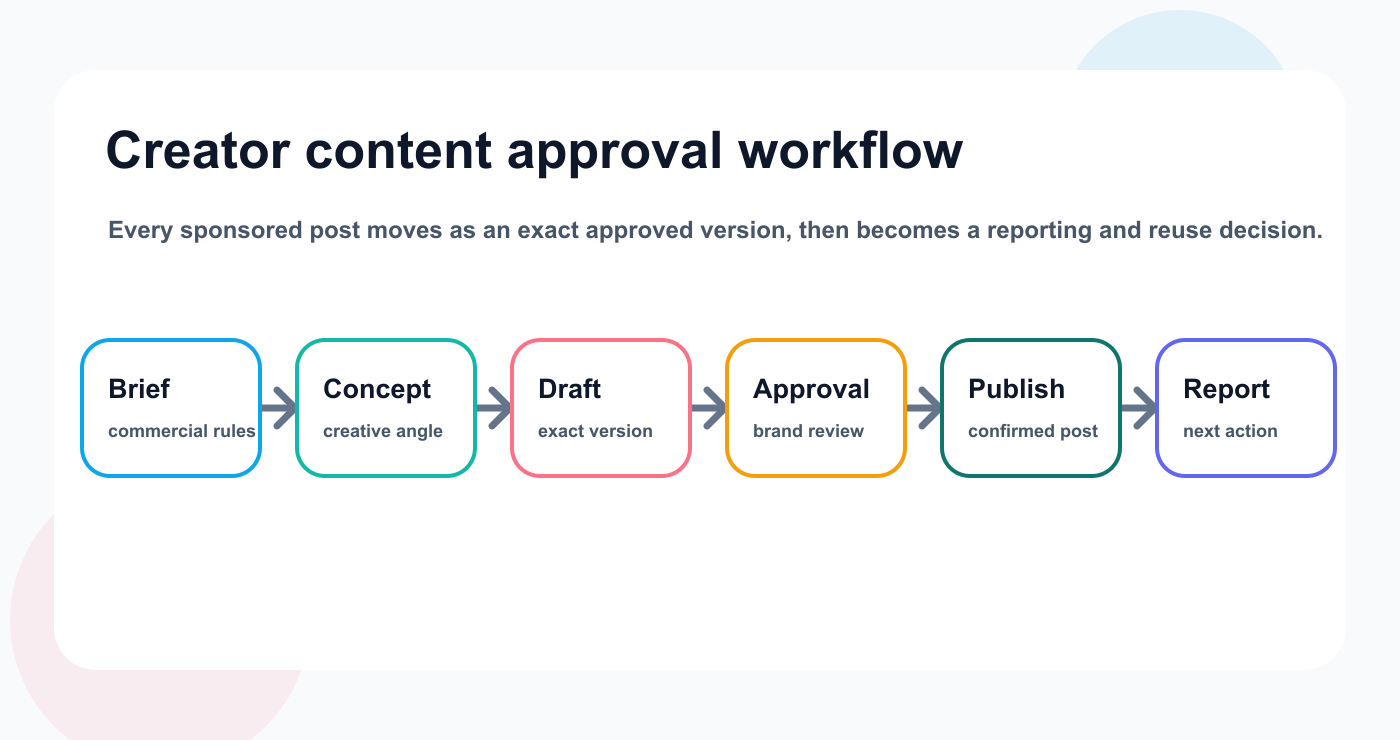
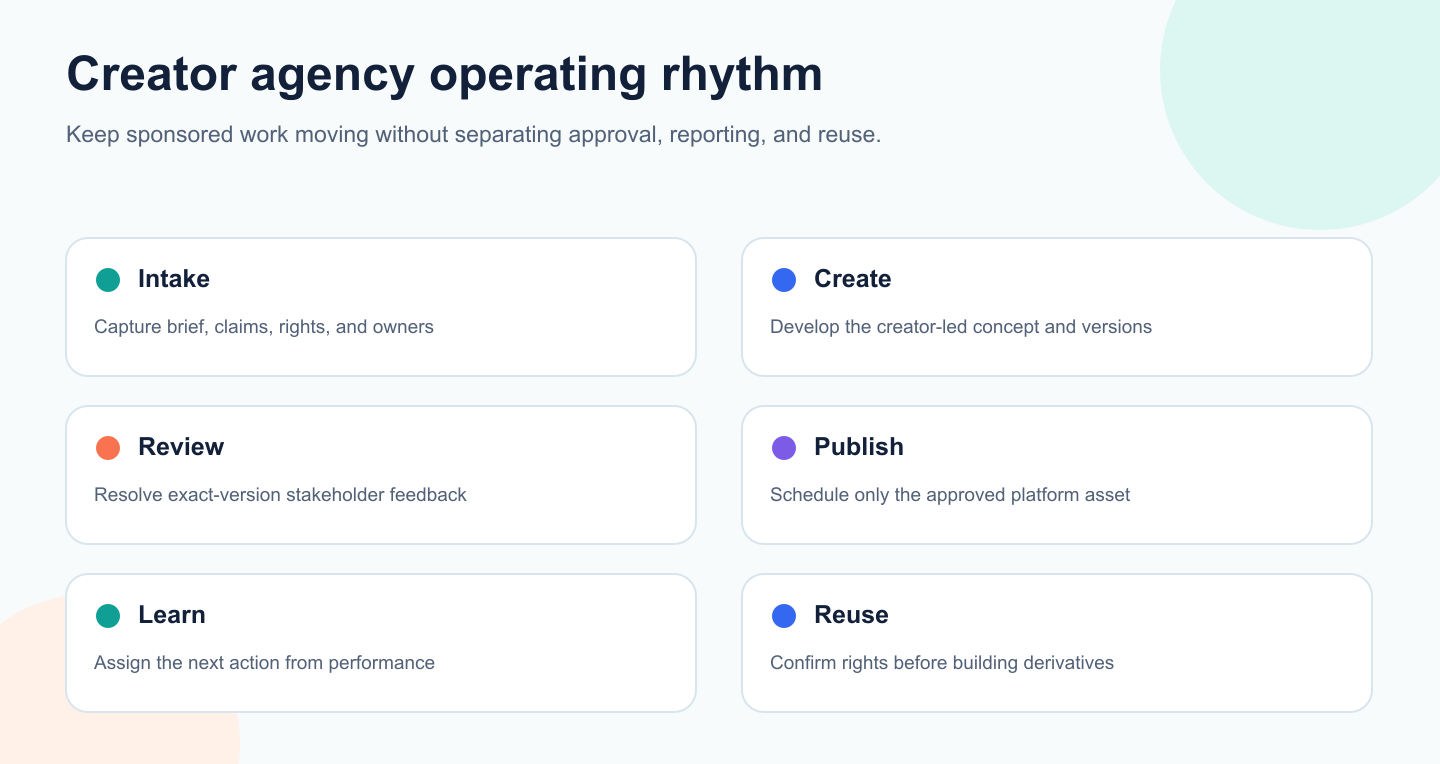
A reliable operating loop starts with the commercial brief, moves through concept and exact-version approval, and continues after publication. Reporting is not the finish line; it is the input for the next campaign and the social media repurposing workflow.
Brief and rights context
Capture the campaign objective, required claims, disclosure language, usage window, excluded placements, whitelisting permissions, and deliverable list before creation starts. This prevents a strong asset from becoming unusable later.
Review and approval
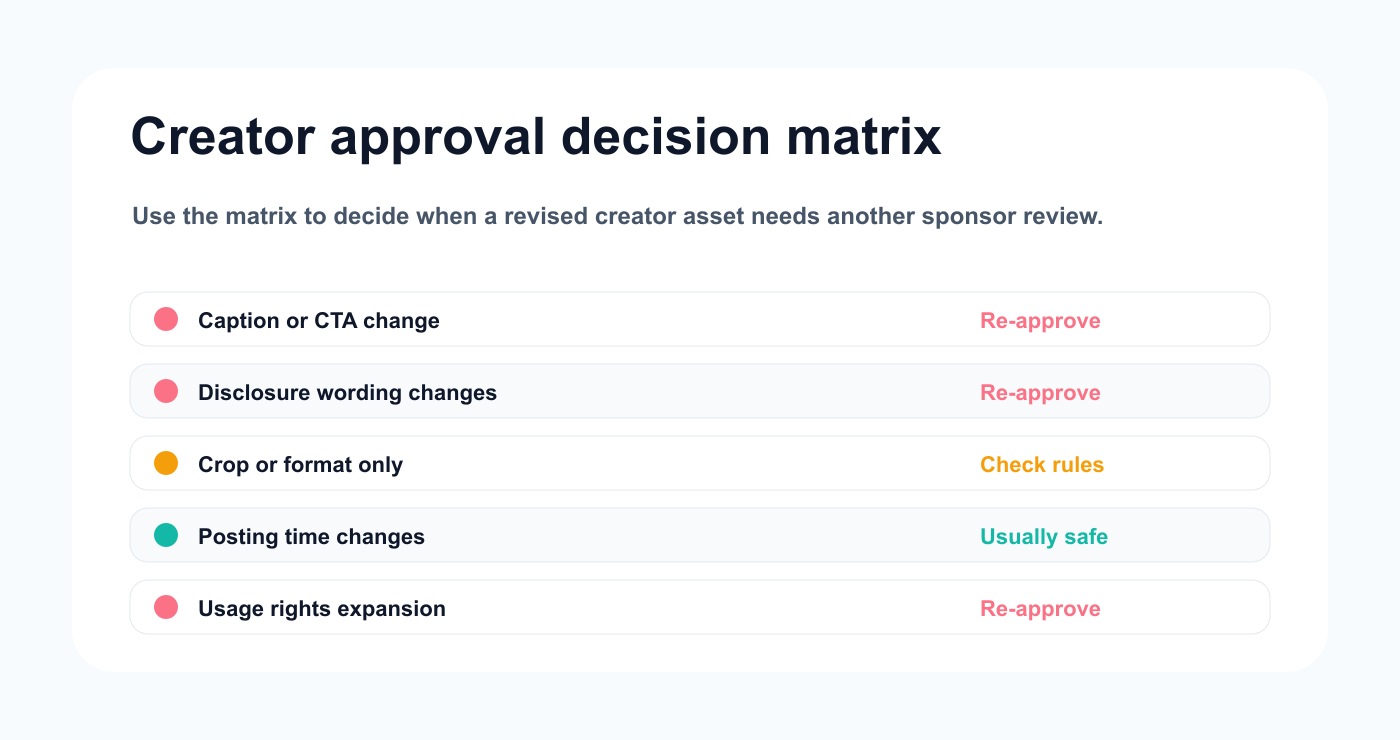
Route high-risk changes through explicit gates. A caption claim, CTA, disclosure, or usage-rights expansion needs a new decision; a harmless formatting adjustment may use a lighter path. A formal approval workflow should make that distinction visible.
Publishing and measurement
Scheduling should inherit the approved version and its platform rules. The agency should compare results with the campaign objective, name the next action, assign an owner, and record which asset can be reused.
Best social media management tools for creator agencies
1. Tareno — best for connected creator operations
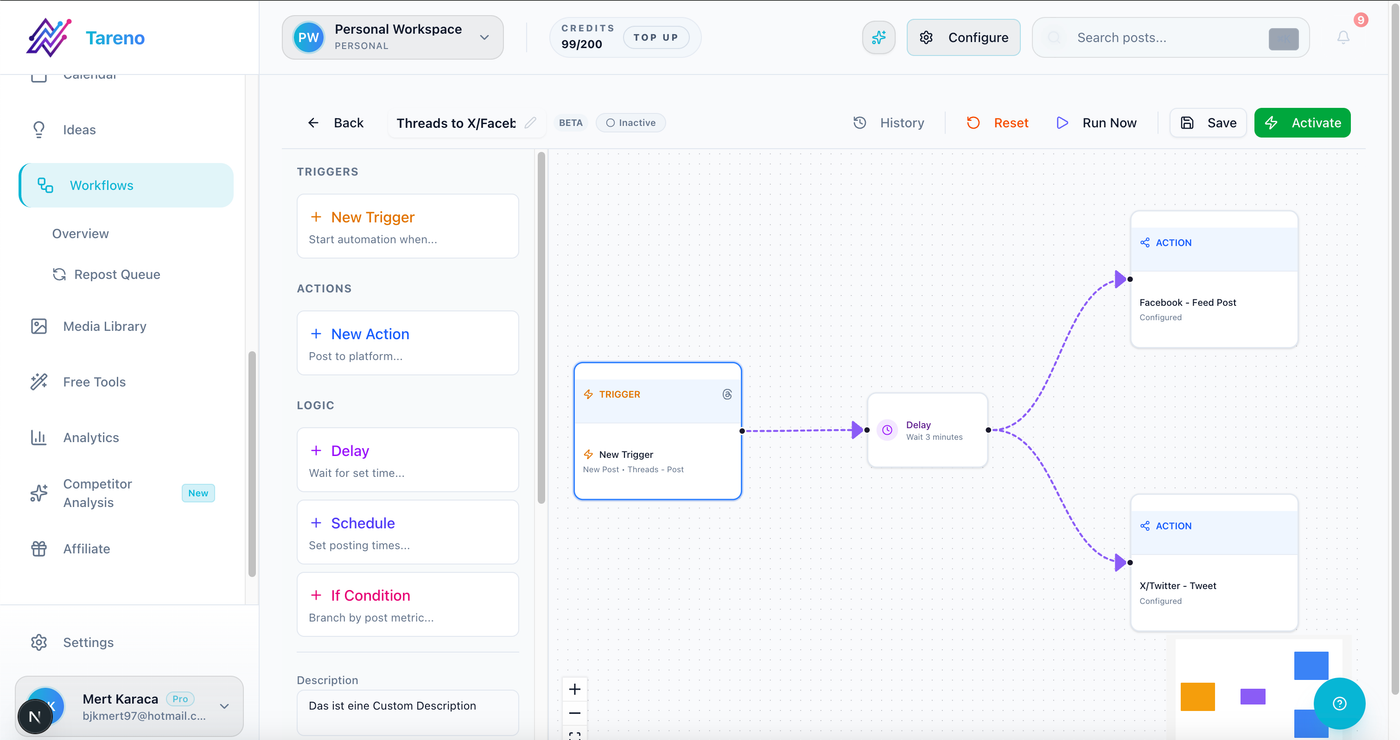
Tareno is the strongest fit when the agency needs client or creator workspaces, boards, approvals, scheduling, analytics, automation, and repurposing in one operating loop. It is especially useful when a published winner should become a new task rather than disappear into a report.
Choose it when status visibility and post-approval automation matter more than having the lightest possible scheduler. A very small team that only needs a queue may find the workflow depth unnecessary.
2. Planable — best for client and sponsor review
Planable is compelling when feedback and approval are the dominant pain points. Comments, internal notes, external review, and stakeholder collaboration make it easier to collect decisions around content.

It is less complete for teams that want approval to trigger deeper repurposing, analytics-to-action, or custom automation. Agencies comparing that boundary can review the Planable alternative.
3. Sendible — best for client dashboards
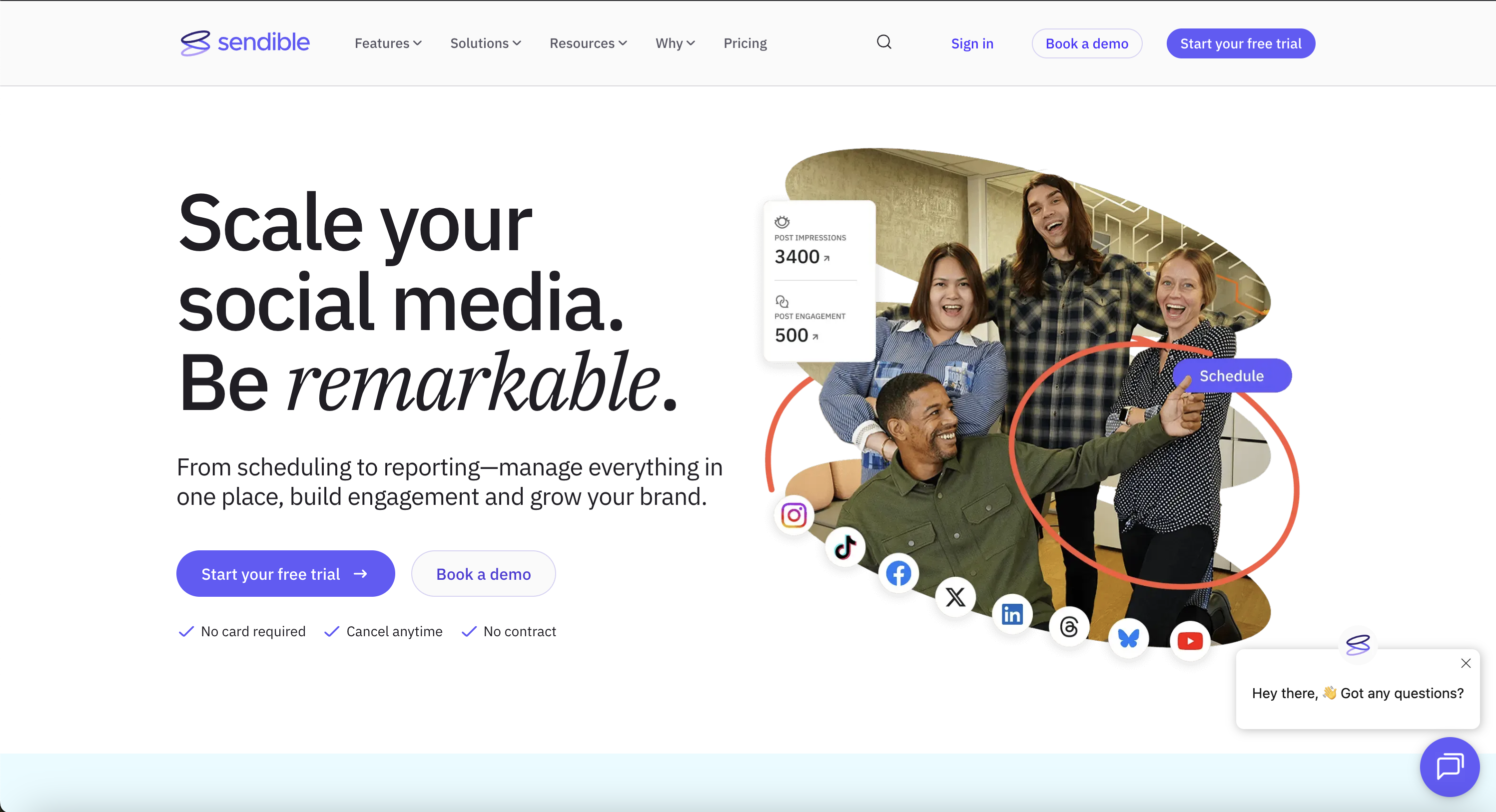
Sendible fits agencies that value broad account management, client-facing dashboards, reports, permissions, and engagement workflows. It can reduce the effort of presenting recurring results across a large client base.
The tradeoff is that dashboard breadth does not automatically create a creator-specific content lifecycle. Test how exact versions, usage rights, and reuse tasks move between people.
4. SocialPilot — best for scheduling scale
SocialPilot is useful when account count, bulk scheduling, user management, approvals, and reporting are the primary constraints. It gives agencies a recognizable scheduling-centered operating model.
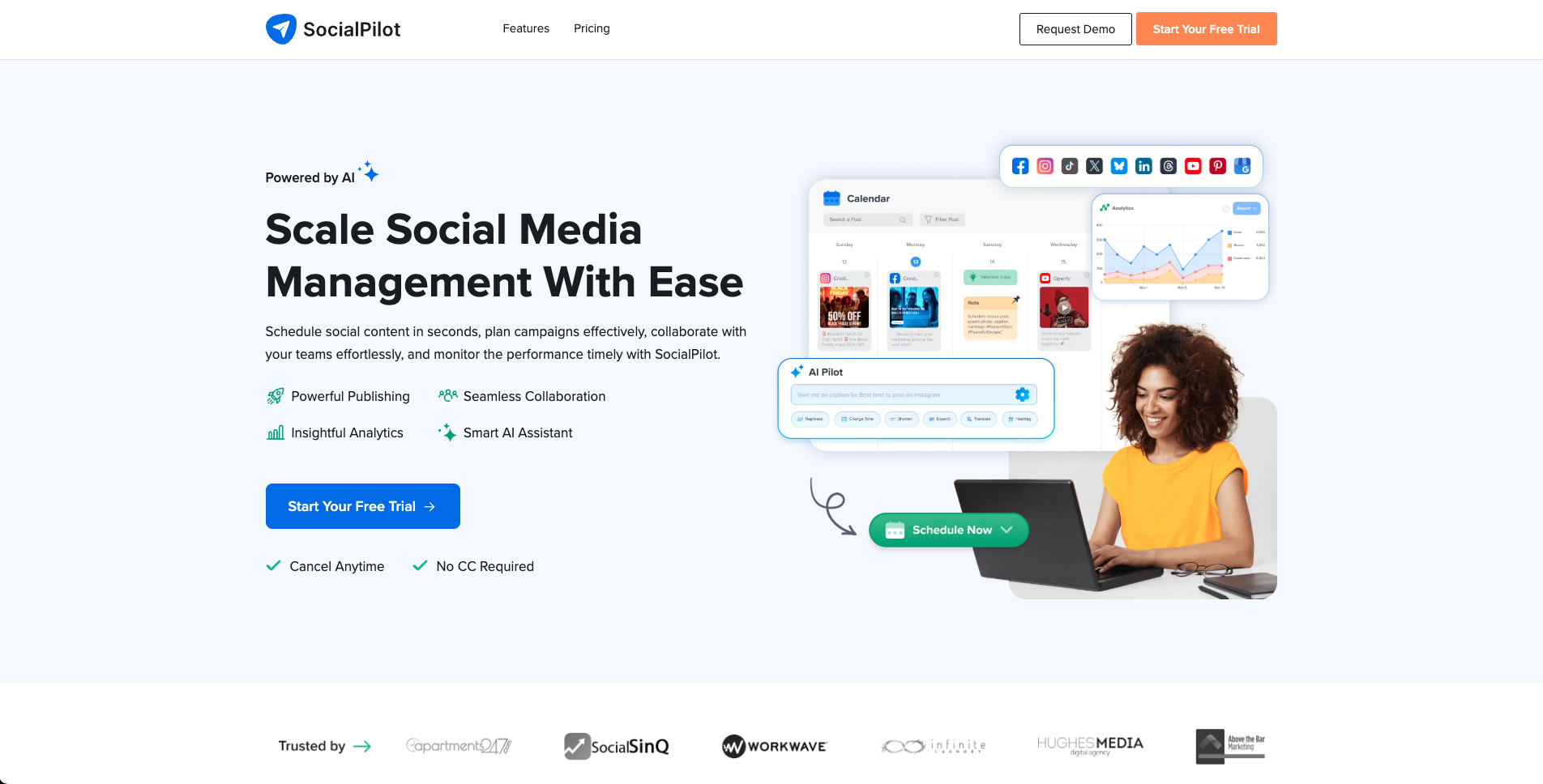
It may be less suitable when creative intake, sponsor review, automated next steps, and evergreen reuse need to live in one visual workflow.
5. Later — best for visual creator planning
Later works well for visual-first teams that care about calendar presentation, Instagram and TikTok planning, creator campaigns, and link-in-bio workflows.
Evaluate it carefully if the agency also needs deeper governance, multi-step approvals, workflow automation, or a structured queue for reusing winners.
6. Buffer — best for simple creator scheduling
Buffer is easy to understand and quick to adopt. It suits small creator teams whose main job is drafting, scheduling, and reviewing basic performance without a complicated operating layer.
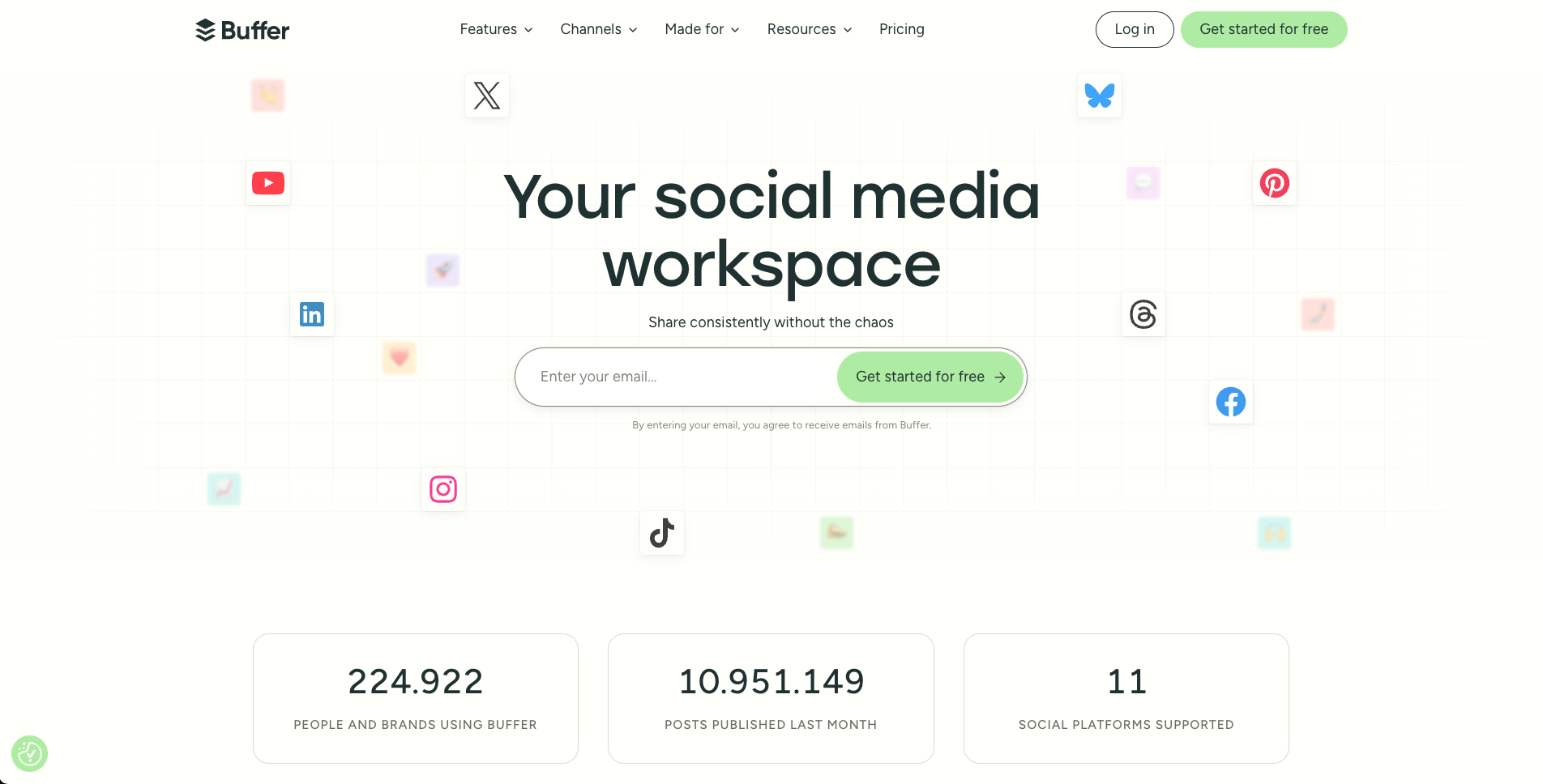
Its simplicity becomes a limitation when the agency needs client-separated workspaces, complex approvals, rights context, or analytics that create downstream tasks.
7. Metricool — best for reporting and competitor tracking
Metricool is attractive when campaign reporting, dashboards, competitor profiles, and performance analysis drive the buying decision.
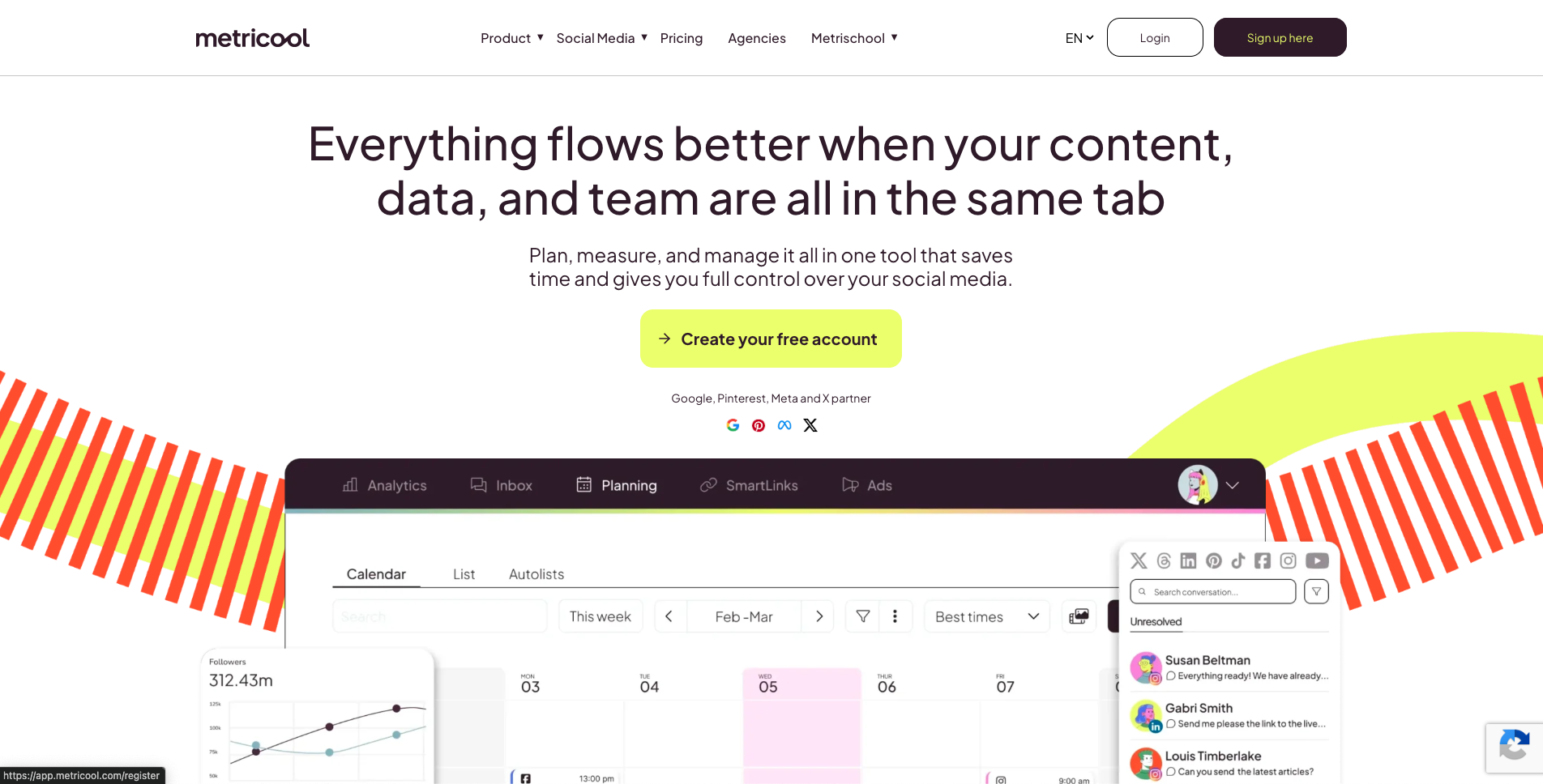
The key question is what happens after the insight. If a winning post still has to be copied manually into planning and repurposing tools, the reporting loop remains incomplete.
Creator agency tool comparison
| Tool | Best fit | Primary strength | Watch for |
|---|---|---|---|
| Tareno | Connected creator operations | Workflow, approvals, analytics, reuse | More depth than a basic queue |
| Planable | Stakeholder review | Comments and approval collaboration | Less post-approval automation |
| Sendible | Client dashboards | Agency reporting and account breadth | Creator-specific lifecycle fit |
| SocialPilot | Scheduling scale | Bulk publishing and user management | Workflow depth |
| Later | Visual planning | Creator-friendly calendars | Governance and automation depth |
| Buffer | Simple scheduling | Ease of use | Complex approvals and rights |
| Metricool | Analytics | Reports and competitor tracking | Insight-to-action handoff |
Do not score every capability equally. Weight the two bottlenecks that create the most delay or risk today, then add one requirement for the agency model you expect to have a year from now.
Workflow examples to test before buying
Sponsored creator campaign
Send a brief through concept, internal review, creator revision, sponsor approval, platform adaptation, scheduling, reporting, and reuse. Introduce one material copy change after approval and confirm that the old version cannot publish accidentally.
Organic winner to paid concept
Take a high-performing organic post, confirm paid usage rights, create a new hook and CTA, route the derivative through review, and connect results to the next creative test.
Multi-client weekly review
Check whether account managers can see blocked items, overdue approvals, upcoming deadlines, recent winners, and the owner of every next action without opening separate spreadsheets.
Buying checklist and risks
Ask vendors to demonstrate exact-version approval, client separation, rights context, platform variants, activity history, failed-action recovery, exportability, and permission controls. A polished calendar is not evidence that the full workflow is safe.
Model total operating cost across seats, clients, channels, guest reviewers, reporting limits, automation runs, AI credits, and manual handoffs.
FAQ
What is the best social media tool for a creator agency?
Tareno fits connected operations; Planable review; Sendible dashboards; SocialPilot scale; Later visual planning; Buffer simplicity; and Metricool analytics.
Do creator agencies need approval software?
Yes when content includes sponsor claims, disclosures, usage rights, client feedback, or several platform versions. Approval should attach to the exact asset.
Final recommendation
Keep scheduling simple for simple teams. Agencies handling sponsors, rights, approvals, reporting, and reuse need a system that preserves the approved version and next action.