Most teams treat social media content as disposable. They create an idea, publish it once, check a few numbers, and move on.
That is expensive. A good post is not only a post; it is a signal that a topic, hook, format, or platform version worked. If you do not capture that signal, you keep starting from zero.
An evergreen queue solves the problem by turning your best posts into reusable assets that can be adapted, reviewed, scheduled, measured, and improved over time. This system pairs well with a broader social media repurposing workflow because the queue gives repurposing a clear source of proven ideas.
TL;DR
A strong evergreen queue system captures ideas, selects the strongest ones, drafts a first platform version, reviews and approves it, publishes, measures performance, moves winners into the queue, refreshes them for another platform, and measures the second wave.
Reuse what has a signal, not everything you have ever posted.
The queue should create leverage, not repetition. The best teams save the idea, improve the angle, and only reschedule content when the audience still gets value.
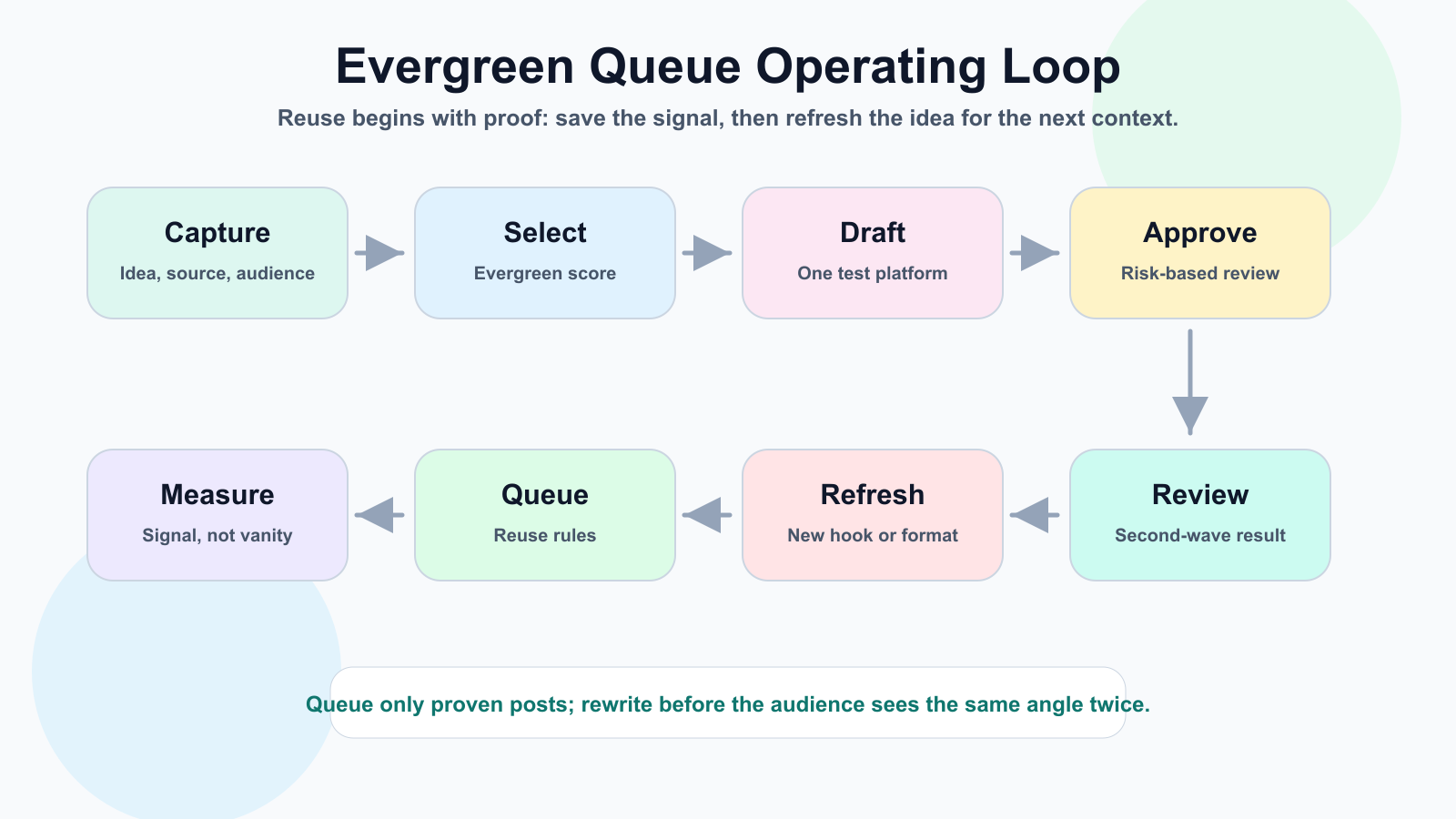
The evergreen queue is a loop: capture, prove, queue, refresh, and measure again.
What Is An Evergreen Content Queue?
An evergreen content queue is a managed library of posts, hooks, scripts, carousels, tutorials, checklists, FAQs, and customer questions that can be reused or repurposed later. Evergreen content is not tied to a short trend, expired offer, one-time campaign, or outdated claim.
The queue is different from an archive. An archive stores everything. A queue stores items that have earned another run because they are useful, accurate, reusable, and connected to a business goal.
Examples include a how-to carousel that earns saves, a LinkedIn opinion that creates high-quality comments, a TikTok script with strong watch time, a support question that keeps returning, or a blog section that can become a post. For channel-specific adaptation, tools like the Instagram caption generator or TikTok hook generator can help create a fresh first draft without losing the original idea.
Evergreen Queue vs Reposting
An evergreen queue does not mean publishing the exact same caption forever. There are three levels of reuse: repost, refresh, and repurpose. Reposting uses the same idea with minimal changes. Refreshing updates the hook, CTA, examples, or asset. Repurposing turns the idea into another format or channel.
Most teams should prioritize refresh and repurpose over blind reposting. The operating loop below keeps the process honest: capture the signal, decide if it belongs in the queue, refresh the creative angle, then measure whether the second wave worked.
Step 1: Capture Ideas Before They Become Posts
The evergreen system starts at idea capture. Every idea should record the source, audience, platform suggestion, format, business goal, evergreen potential, risk level, and owner. The source matters because recurring questions, sales objections, support tickets, community comments, and analytics notes usually produce the most reusable content.
Do not let these ideas live in private messages or disconnected docs. Put them into a shared intake space where the team can select, assign, and prioritize. A clear idea board also makes it easier to connect future posts to content boards and campaign plans.
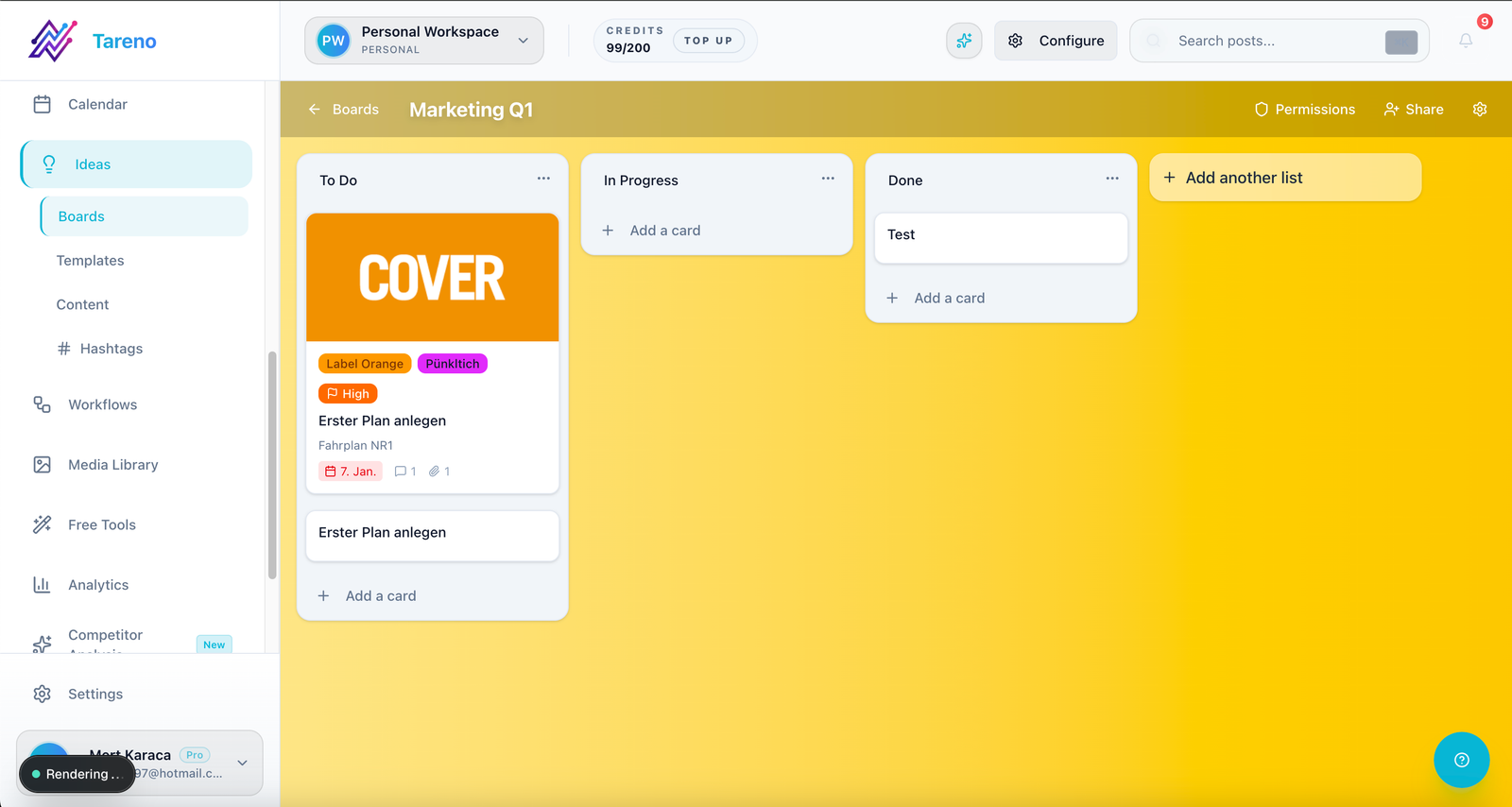
An evergreen queue starts before publishing, with ideas captured in one visible place.
Step 2: Score Ideas Before Drafting
Not every idea belongs in the queue. Score each candidate on evergreen value, audience relevance, business relevance, repurposing potential, and update risk. A post about a temporary discount may perform well once but should not enter the evergreen queue. A repeated customer question about setup, comparison, or best practices is usually a stronger candidate.
Use a simple score from one to five for each criterion. High-scoring ideas move forward. Medium-scoring ideas can become one-time posts. Low-scoring ideas stay in the archive until new evidence appears.
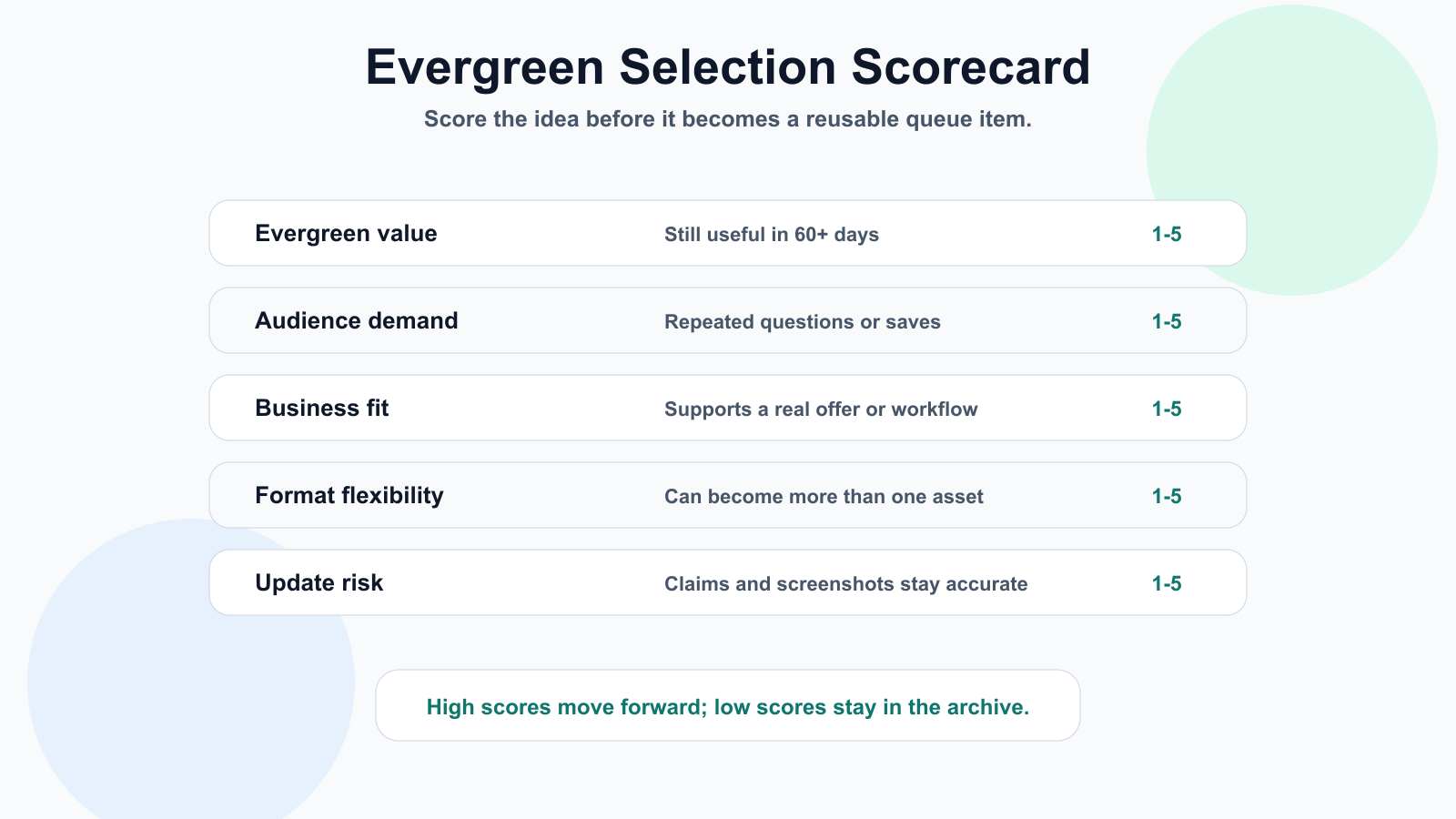
A simple scorecard keeps weak ideas out of the evergreen queue.
Step 3: Draft And Approve One Primary Version
Start with one primary platform version. Do not create ten versions before proving the idea. A primary draft should include hook, caption or script, CTA, target platform, asset notes, source idea, approval requirement, and measurement goal.
Approval should match risk. Low-risk evergreen tips may need only owner review. Product claims, pricing references, customer examples, AI-generated claims, old screenshots, or competitor mentions need a stronger approval gate before scheduling. If approvals slow the team down, define the path in a social media approval workflow instead of handling every exception manually.
Step 4: Publish And Measure The Right Signal
After publishing, measure the signal that matches the post type. Saves suggest reference value. Shares suggest the idea is worth passing on. Comments show discussion or confusion. Clicks show action. Watch time and completion rate matter for video. The point is to learn why the post worked, not just whether it got reach.
Keep reporting tied to next actions. A winning post should create a queue task, a weaker post should create a learning note, and a confusing post should create a rewrite brief. Tareno's analytics reports help teams turn those signals into future planning rather than a static monthly recap.
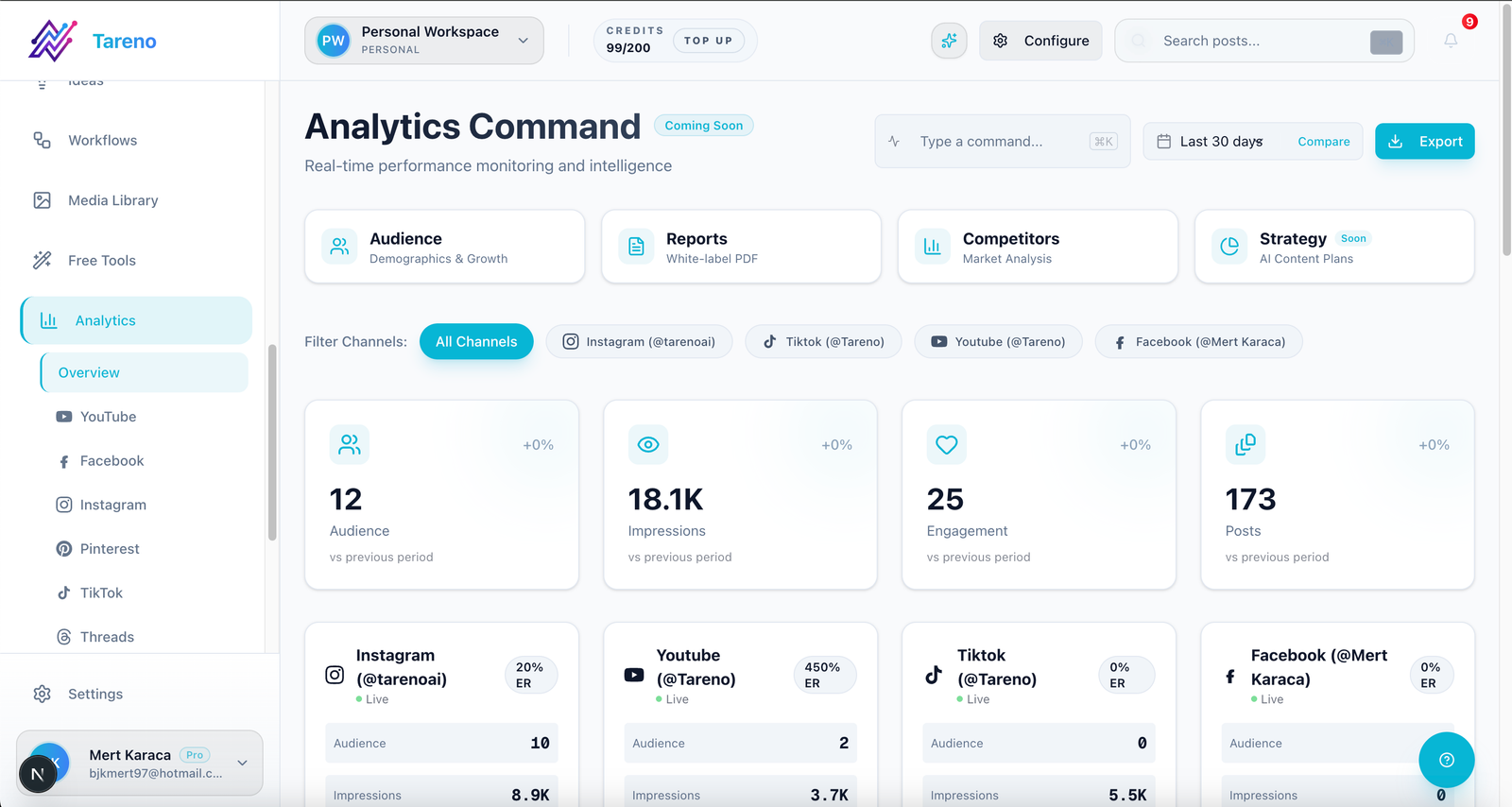
Performance signals decide whether a post becomes a queue candidate or a learning note.
Step 5: Move Winners Into The Queue
A post should move into the evergreen queue only when it has a reason to return. Store the original URL, platform, publish date, winning signal, reusable angle, required updates, owner, risk level, and next review date.
The queue should make the next action obvious: reuse as-is, refresh the hook, update the asset, repurpose to another channel, or retire. If your queue contains stale claims, old screenshots, and unclear ownership, it will create risk instead of leverage.
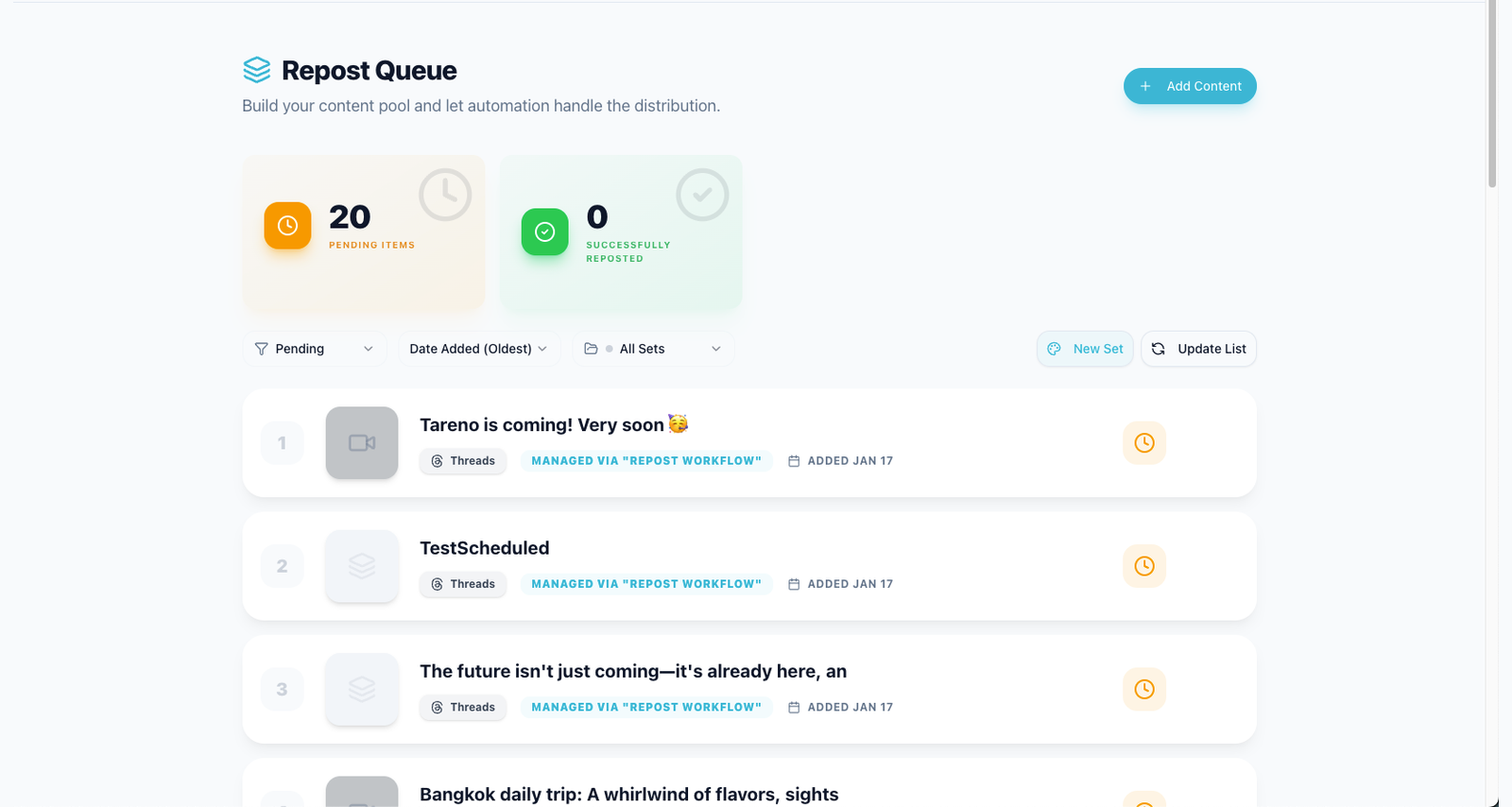
Only posts with a clear signal should move into an evergreen queue.
Step 6: Refresh Before The Second Wave
Before a post returns, change the part that makes it feel repeated. Update the first line, swap the example, change the CTA, use a different format, or adapt the idea to a new platform. For example, a LinkedIn opinion can become an Instagram carousel, a TikTok script can become a YouTube Short, and a blog section can become a LinkedIn post through a blog-to-social workflow.
Spacing matters too. Do not publish the same idea too close together on the same channel. Give the audience enough distance, and avoid repeating the same visual or opening line.
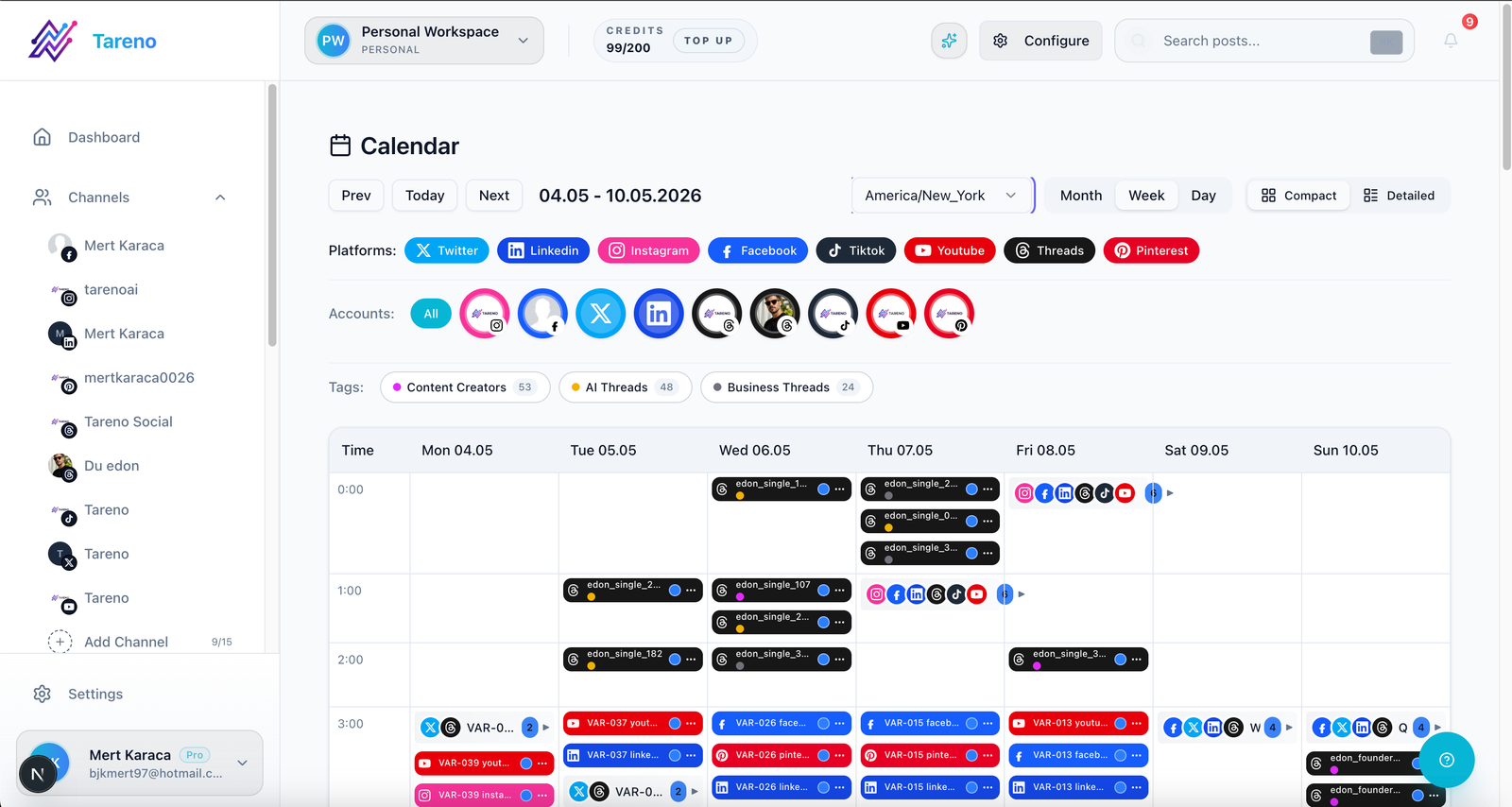
The refreshed version needs enough calendar distance from the original idea.
Final Thoughts
An evergreen queue is not a dumping ground. It is a system for protecting proven ideas, improving them, and making sure strong content keeps working after the first publish date.
The practical version is simple: capture ideas, prove them once, move winners into a visible queue, refresh before reuse, and review the second wave. Teams that want the queue to connect directly to scheduling can start with post scheduling and add automation once ownership and approval rules are clear.
Related Tareno resources
Build the workflow in Tareno
Workflow Repurposing Workflow Turn winning posts into new assets without restarting from zero. Open workflow -> Feature Analytics Reports Find the signals that decide whether content deserves a second life. View feature -> Workflow Blog To Social Convert durable article sections into social posts and scripts. See workflow -> Feature Post Scheduling Space refreshed posts across channels and campaign calendars. Explore scheduling ->